Celebrate the launch of the Global Precipitation Measurement (GPM) Mission by hosting a GPM Rain EnGAUGE Event – a family science night at your school, outdoor education center, library or museum.
Contrary to popular belief, raindrops are not tear shaped and are actually shaped like the top of a hamburger bun, round on the top and flat on the bottom. This new video from GPM explains why.
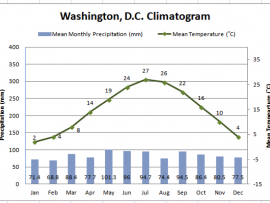
Students will compare temperature and precipitation graphs for various U.S. locations to look for patterns in geographical influence on climate, then collect data for a location of their choice and create their own climatogram.
In this hands-on inquiry-based activity, students face an engineering challenge based on real-world applications. They are tasked with developing a tool they can use to measure the amount of rain that falls each day.
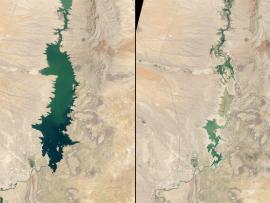
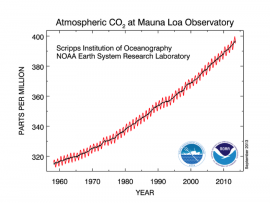
In this activity, students will learn about Earth’s climate vital signs. They will use NASA’s Climate Change website to learn about the factors that scientists use to understand changes in our climate.
In this lesson, students will conduct labs investigate the drivers of climate change, including adding carbon dioxide and other greenhouse gases to the atmosphere, sea level rise, and the effect of decreasing sea ice on temperatures.
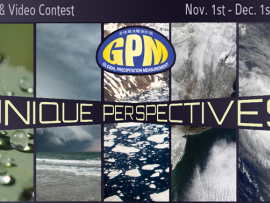
NASA’s Global Precipitation Measurement mission wants to see your photos and videos of precipitation from unique perspectives! There are many ways to view precipitation.
This 17 page flyer provides an overview of the GPM Mission. It describes the technologies used to measure precipitation and the missions scientific goals and societal applications.