

Search
Primary tabs
Search
Your search for "Weather" gave back 164 results.

Primary Topic:
Subtopics:
Type:
Keywords:
Summary:
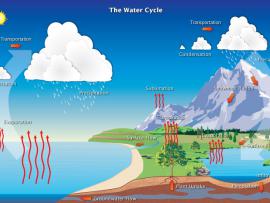
This NASA video segment highlights the impact of drought on a global scale. Viewers learn that during a drought the risk of fire increases. Fire produces soot and ash that travel across continents via the trade winds.
Primary Topic:
Subtopics:
Type:
Keywords:
Summary:
This video covers the impact that climate change is having on Earth's oceans, and shows how technology is being used by NASA to help us learn how oceans are responding to climate change.
Primary Topic:
Subtopics:
Type:
Standards:
Keywords:
Summary:
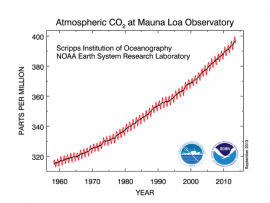
In this lesson, students will conduct labs investigate the drivers of climate change, including adding carbon dioxide and other greenhouse gases to the atmosphere, sea level rise, and the effect of decreasing sea ice on temperatures.

Primary Topic:
Subtopics:
Type:
Keywords:
Summary:
GPM Application Science Lead, Dr. Dalia Kirschbaum, explains how landslides and floods occur, and how satellite imagery is used in understanding these disasters.
Primary Topic:
Subtopics:
Type:
Keywords:
Summary:
This lesson helps students learn about the atmosphere by making observations and taking measurements.
Primary Topic:
Subtopics:
Type:
Standards:
Keywords:
Summary:
A downloadable PDF lesson plan which explores the role of wind in Earth systems.

Primary Topic:
Subtopics:
Type:
Standards:
Summary:
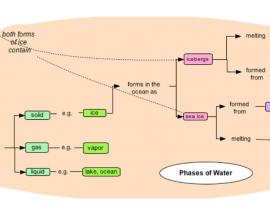
This web eBook, developed in collaboration with the World Bank Group, explores water on Earth and how NASA observes and measures it.
Primary Topic:
Type:
Audience:
Keywords:
Summary:
This lesson is primarily for elementary school teachers who are looking for a hands-on inquiry based activity to teach their students about evaporation.
Primary Topic:
Subtopics:
Type:
Keywords:
Summary:
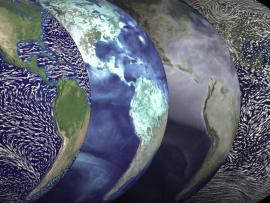
Explore water vapor in the air in part two of the water cycle series. This second part of our series on the water cycle illustrates the way in which evaporation and winds combine to move water from the ocean to the land.