Hurricane Irene's impact in New England shows that tropical cyclones can greatly affect regions outside the view of TRMM. The GPM mission will build upon TRMM's legacy by examining a larger swath of Earth with more sensitive instruments.
In this promotional video NASA scientists discuss why it is so important to study and track Earth's freshwater resources, and explain the purpose of the Global Precipitation Measurement mission.
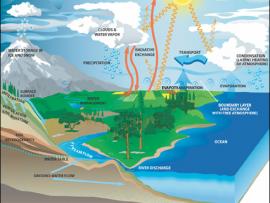
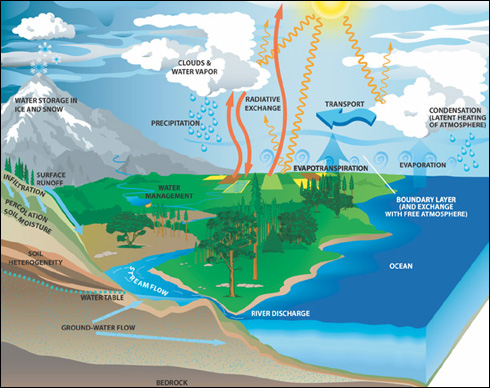
This article explains the basics behind the water cycle and includes many good visuals. It provides some good background information about our water cycle as well as providing students with many real-world applications.
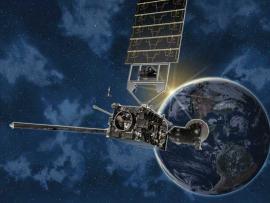
Satellites can orbit Earth's equator or go over Earth's North and South Poles, or anything in between. They can orbit at a low altitude, or thousands of miles out in space. The choice of orbit all depends on the satellite's job.
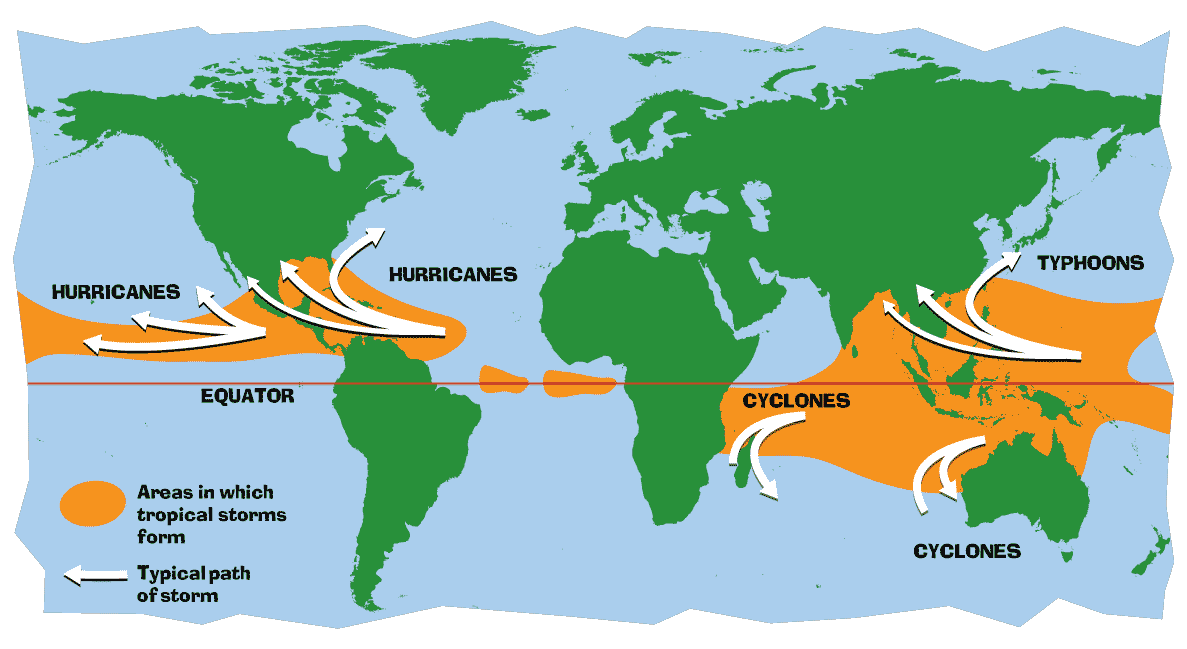
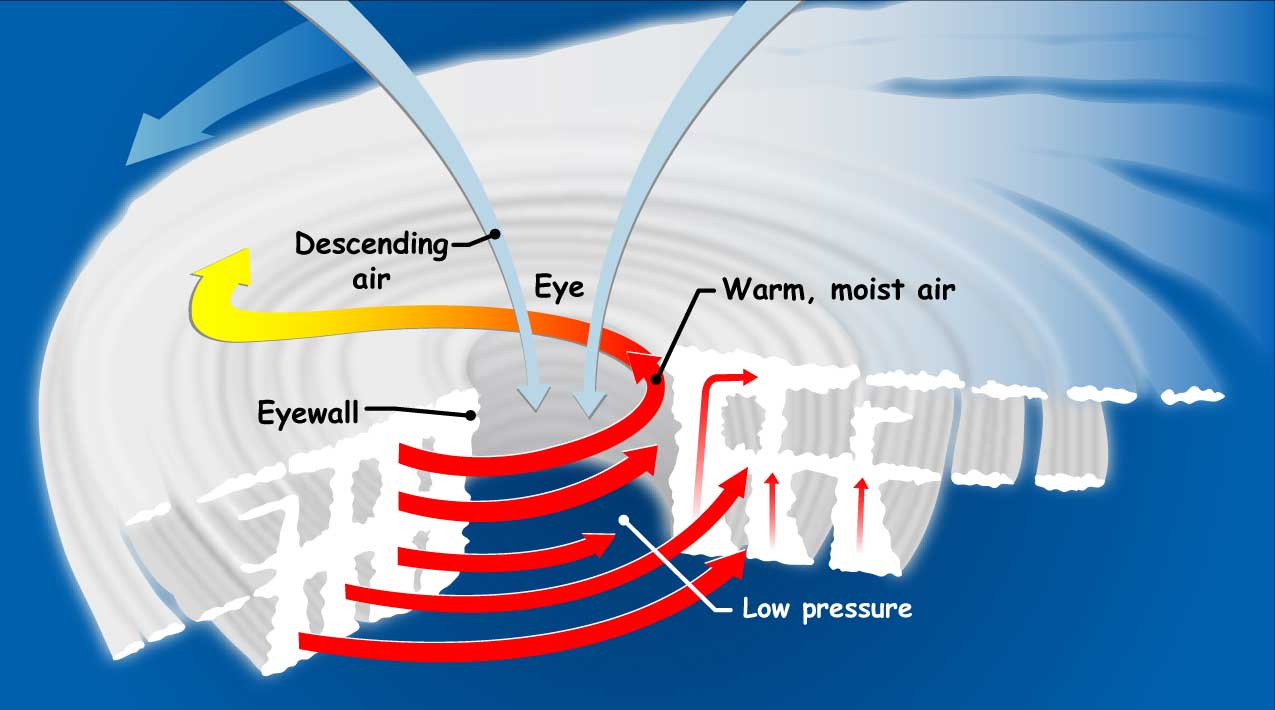
Hurricanes are the most awesome, violent storms on Earth. People call these storms by other names, such as typhoons or cyclones, depending on where they occur. Whatever they are called, tropical cyclones all form the same way.
This animation uses Earth science data from a variety of sensors on NASA Earth observing satellites as well as cartoons to describe Earth's water cycle and the continuous movement of water on, above and below the surface of the Earth.
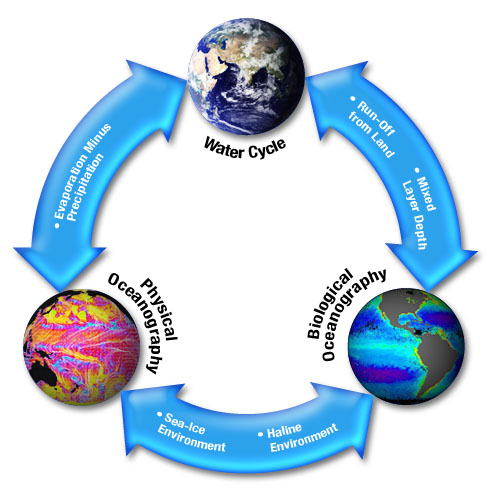
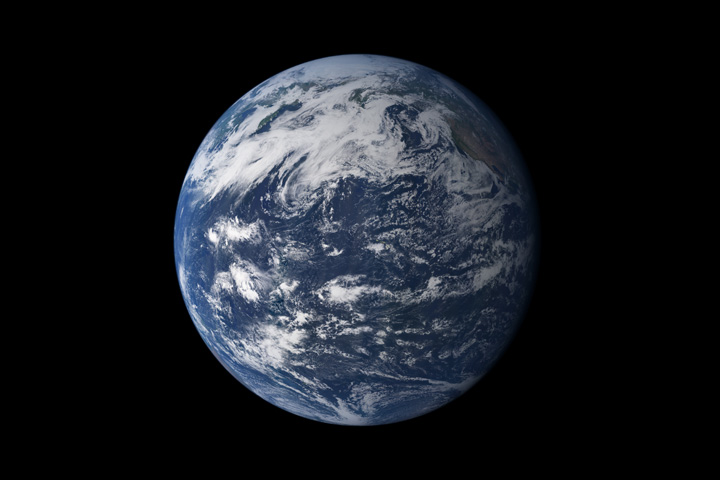
Water is a vital substance that sets the Earth apart from the rest of the planets in our solar system. In particular, water appears to be a necessary ingredient for the development and nourishment of life.
The Climate Change and Human Health project is designed to provide educators with the resources to engage high school students in critical thinking about climate change and the potential impact on human health across the planet.