
GPM

Content which is affiliated solely with the Global Precipitation Measurement Mission.
Document Description

Observations of the space-time variability of precipitation around the globe are imperative for understanding how climate change affects the global energy and water cycle (GWEC) in terms of changes in regional precipitation characteristics (type, frequency, intensity), as well as extreme hydrologic events, such as floods and droughts. The GWEC is driven by a host of complex processes and interactions, many of which are not yet well understood. Precipitation, which converts atmospheric water vapor into rain and snow, is a central element of the GWEC.

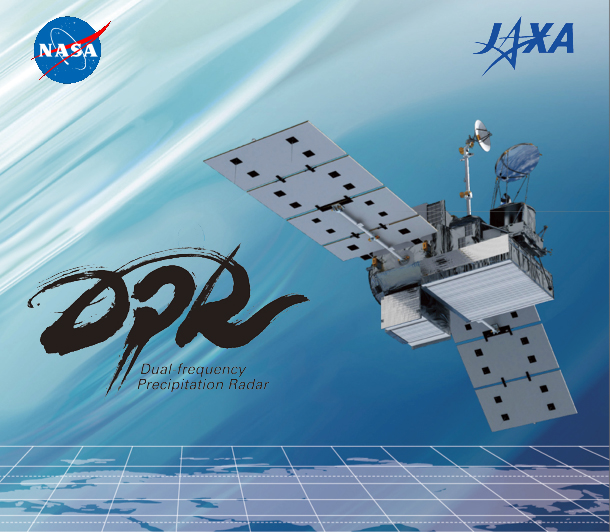
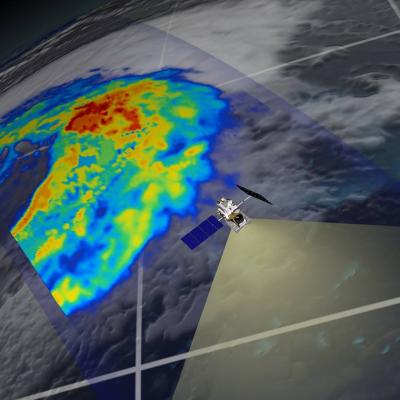
GPM flying over Earth with a data swath visualized.
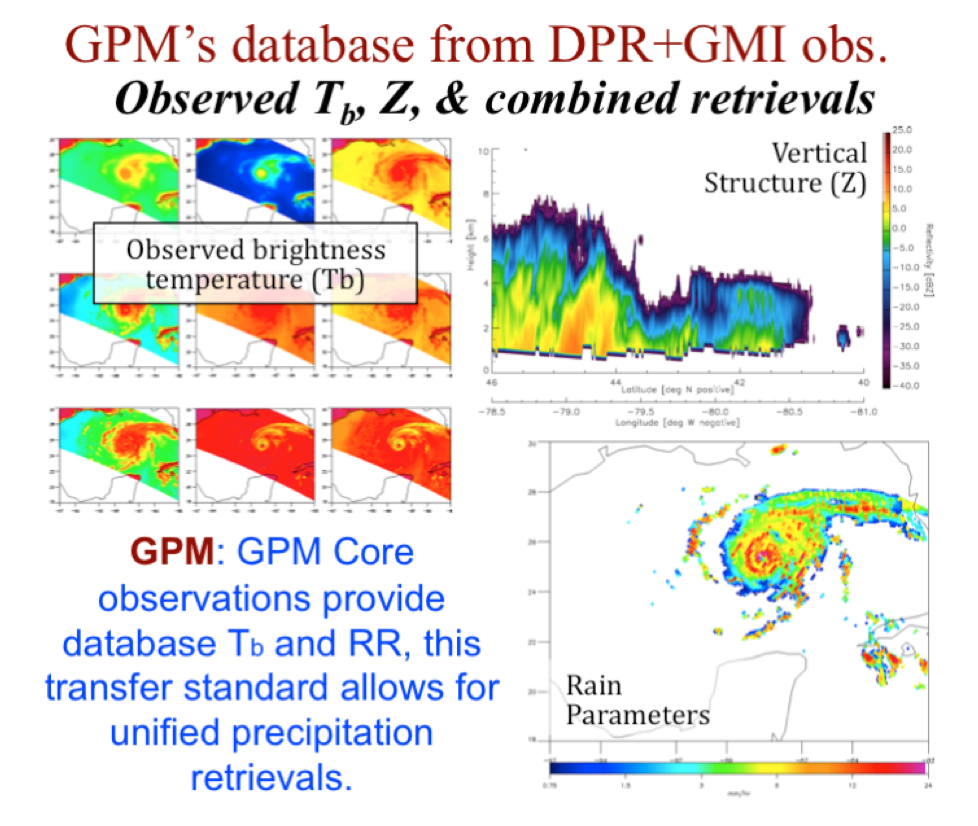
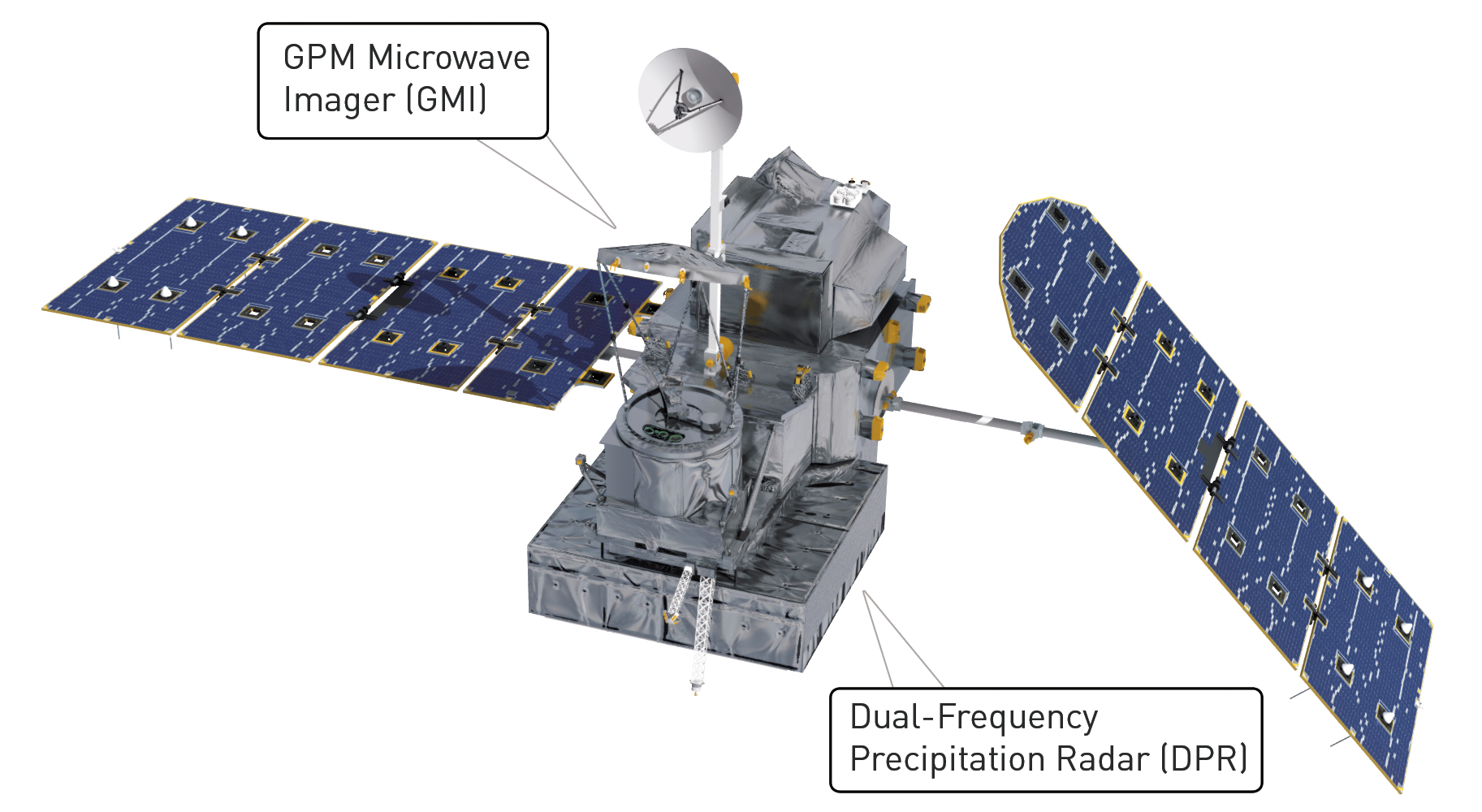
GPM is designed to advance scientific understanding of the Earth's water and energy cycle but also provides near real-time data for a wide array of societal applications. As a science mission with integrated application goals, the GPM mission has five scientific objectives: Advancing Precipitation Measurement from Space GPM advances precipitation measurement capability from space using a combination of active and passive remote-sensing techniques. These measurements are used to calibrate, unify and improve global precipitation measurements by a constellation of research and operational...