
GPM

Content which is affiliated solely with the Global Precipitation Measurement Mission.

GPM's Launch Pad

GPM's Launch Pad
Image Caption
GPM's Launch Pad

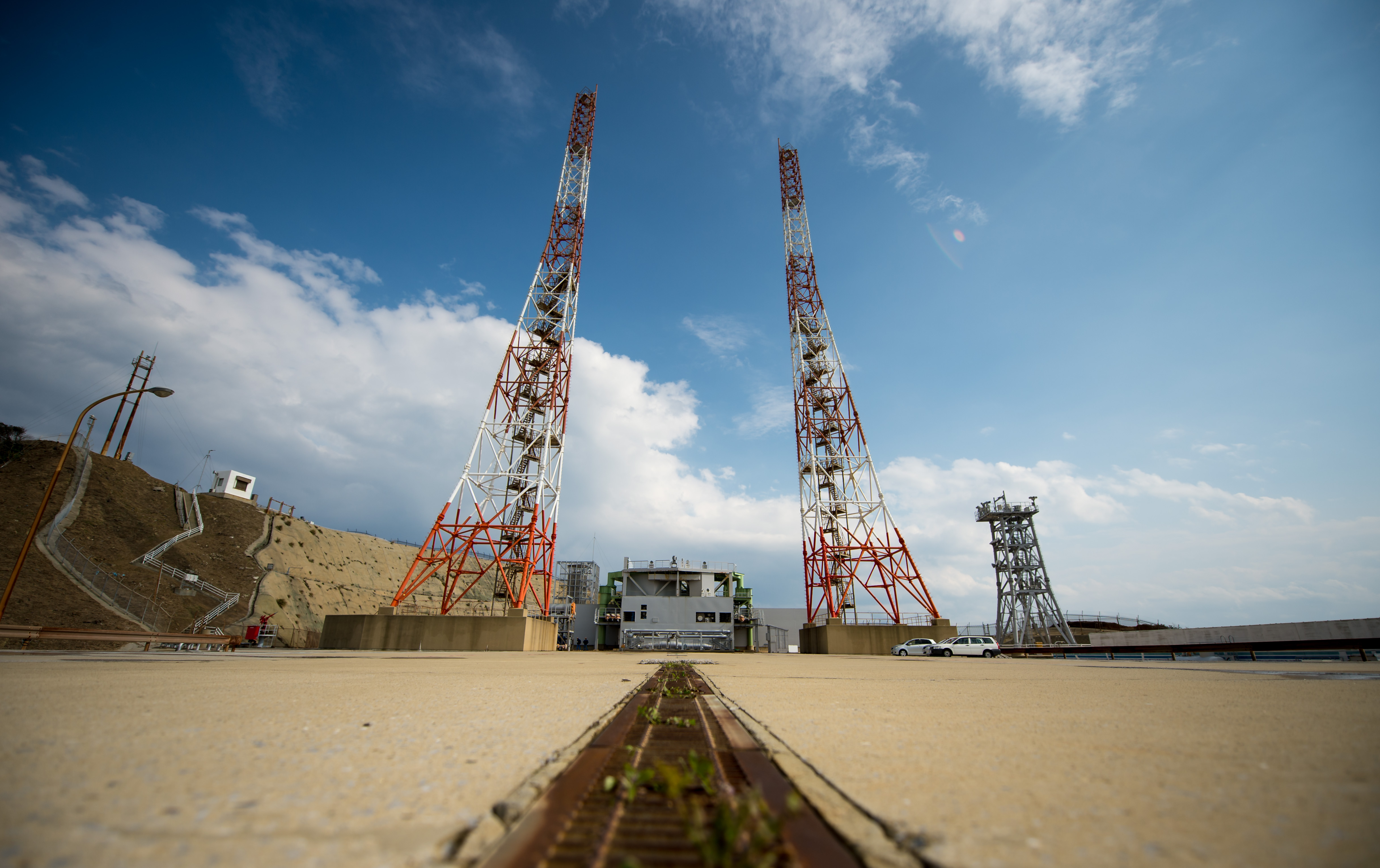
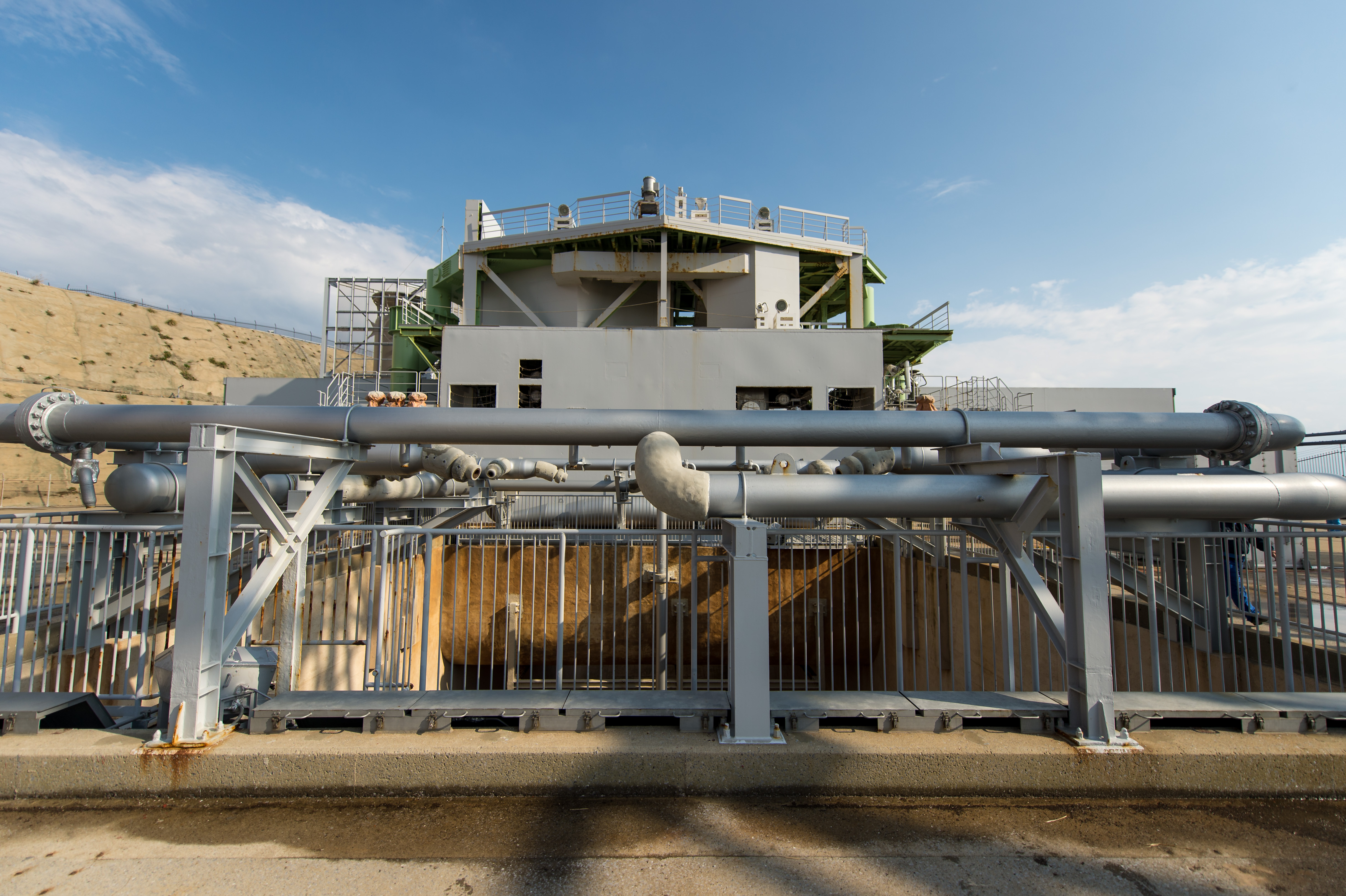
Launch pad 1 is seen at the Tanegashima Space Center (TNSC) on Monday, Feb. 24, 2014 in Tanegashima, Japan. A Japanese H-IIA rocket carrying the NASA-Japan Aerospace Exploration Agency (JAXA), Global Precipitation Measurement (GPM) Core Observatory is planned for launch from pad 1 on Feb. 28, 2014. Once launched, the GPM spacecraft will collect information that unifies data from an international network of existing and future satellites to map global rainfall and snowfall every three hours. Photo Credit: (NASA/Bill Ingalls)
Surfing at Tanegashima Space Center

Surfing at Tanegashima Space Center
Image Caption
Surfing at Tanegashima Space Center

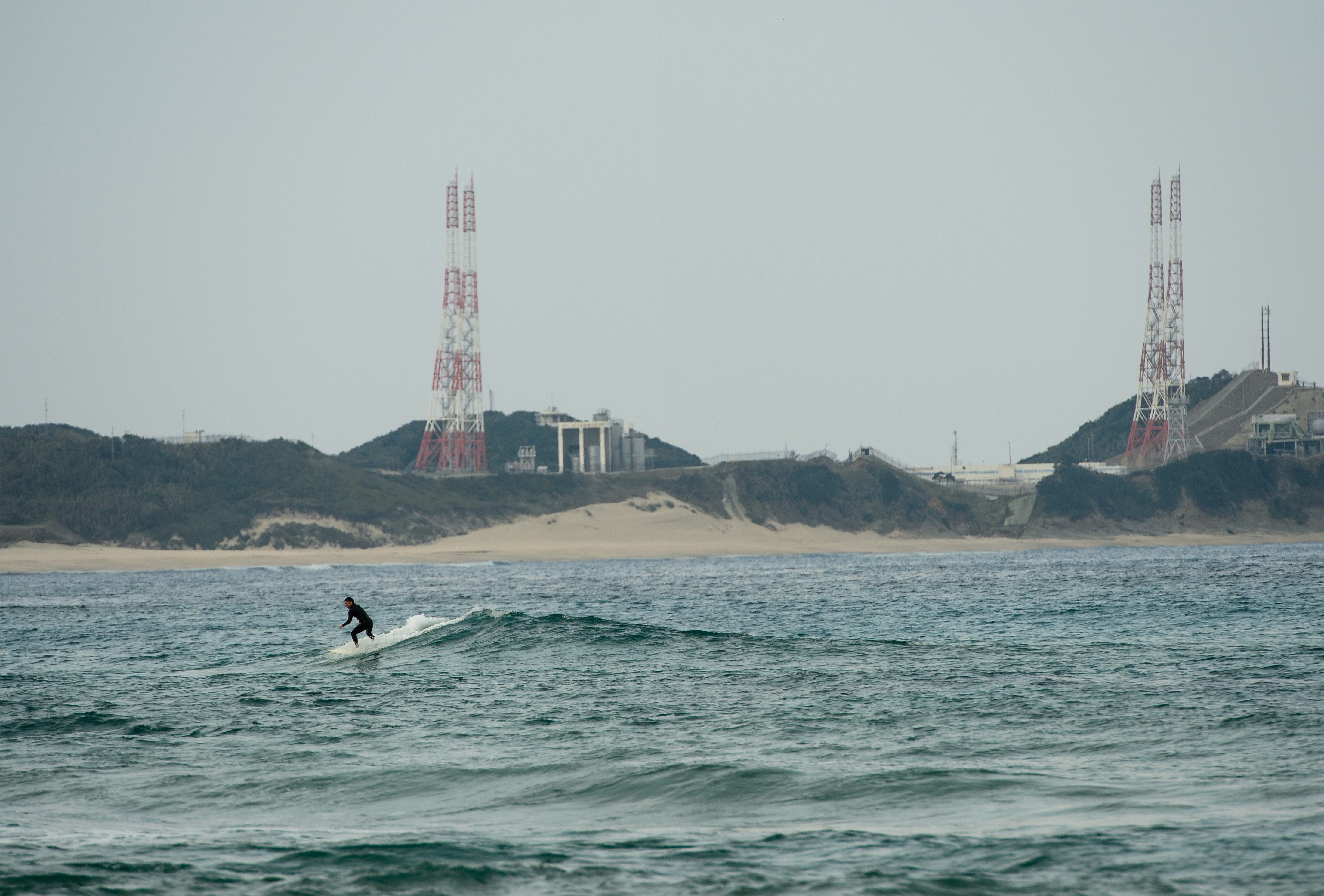
A surfer navigates the waters in front of the Tanegashima Space Center (TNSC) launch pads on Sunday, Feb. 23, 2014, Tanegashima Island, Japan. A Japanese H-IIA rocket carrying the NASA-Japan Aerospace Exploration Agency (JAXA), Global Precipitation Measurement (GPM) Core Observatory is planned for launch from the space center on Feb. 28, 2014. Once launched, the GPM spacecraft will collect information that unifies data from an international network of existing and future satellites to map global rainfall and snowfall every three hours. Photo Credit: (NASA/Bill Ingalls)
GPM Launch Readiness Meeting

GPM Launch Readiness Meeting
Image Caption
GPM Launch Readiness Meeting

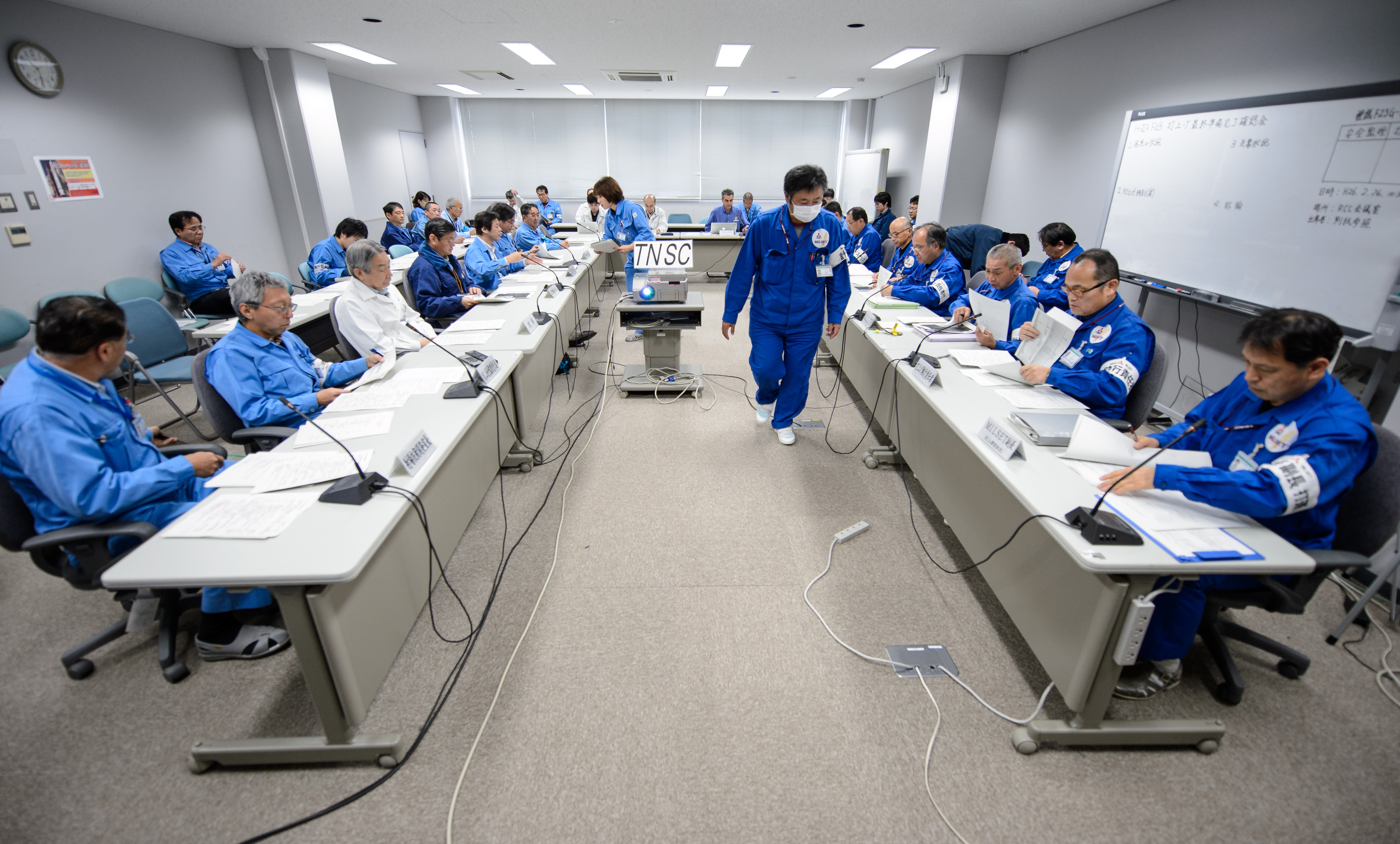
Chief officers from Mitsubishi Heavy Industries, Ltd., the Japan Aerospace Exploration Agency (JAXA) and NASA met on Wednesday, Feb. 26, 2014 in the Range Control Center (RCC) of the Tanegashima Space Center, Japan, to review the readiness of the Global Precipitation Measurement (GPM) Core Observatory for launch. The spacecraft is scheduled to launch aboard an H-IIA rocket early on the morning of Feb. 28 Japan time.

JAXA "Three Shrine Pilgrimage" Ceremony

JAXA "Three Shrine Pilgrimage" Ceremony
Image Caption
JAXA "Three Shrine Pilgrimage" Ceremony

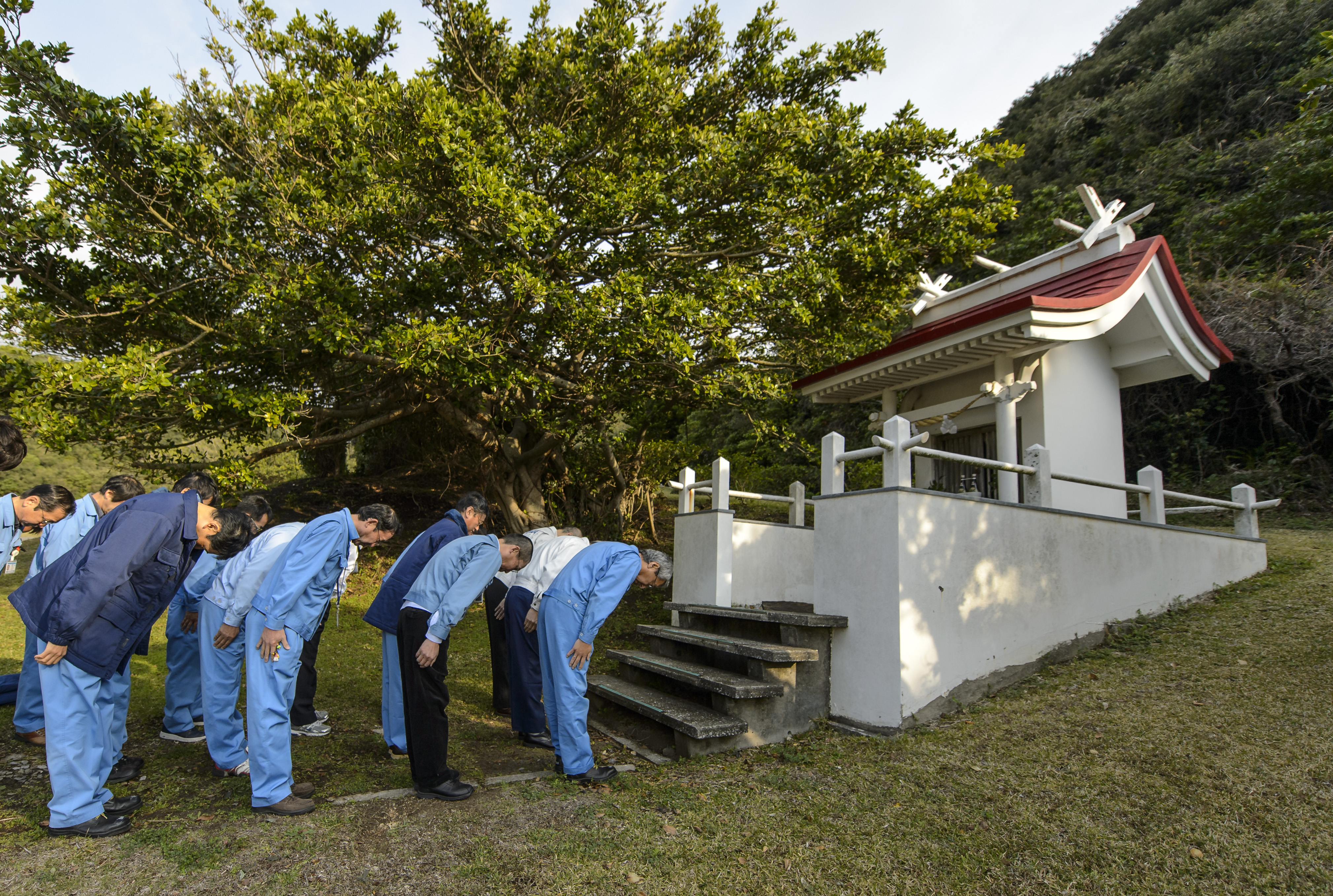
Japan Aerospace Exploration Agency (JAXA) team members bow at the Ebisu Shrine, the first shrine in a traditional San-ja Mairi, or Three Shrine Pilgrimage, where the team prays for a successful launch, Tuesday, Feb. 25, 2014, Tanegashima Island, Japan. A Japanese H-IIA rocket carrying the NASA-JAXA, Global Precipitation Measurement (GPM) Core Observatory is planned for launch from the space center on Feb. 28, 2014.

GPM Science Briefing

GPM Science Briefing
Image Caption
GPM Science Briefing

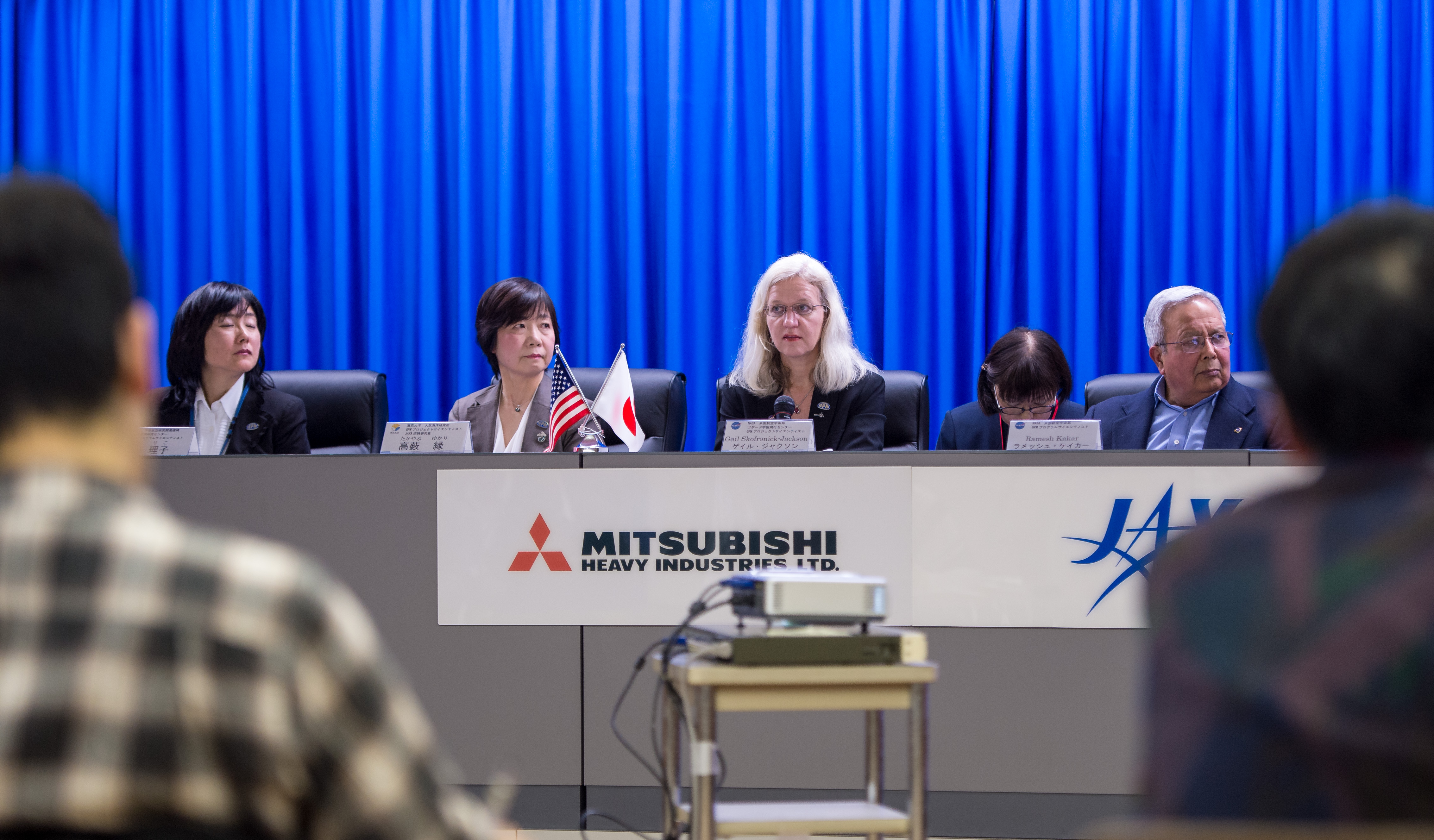
From left: Riko Oki, GPM Project Scientist, JAXA, Yukari Takayabu, Professor, Atmosphere and Ocean Research Institute, Gail Skofronick-Jackson, NASA GPM Project Scientist, and, Ramesh Kakar, GPM Program Earth Scientist , NASA Headquarters, are seen during a science briefing for the launch of the Global Precipitation Measurement (GPM) Core Observatory aboard an H-IIA rocket, Wednesday, Feb. 26, 2014, Tanegashima Space Center, Japan. Launch is scheduled for early in the morning of Feb. 28 Japan time.

GPM Technical Briefing

GPM Technical Briefing
Image Caption
GPM Technical Briefing

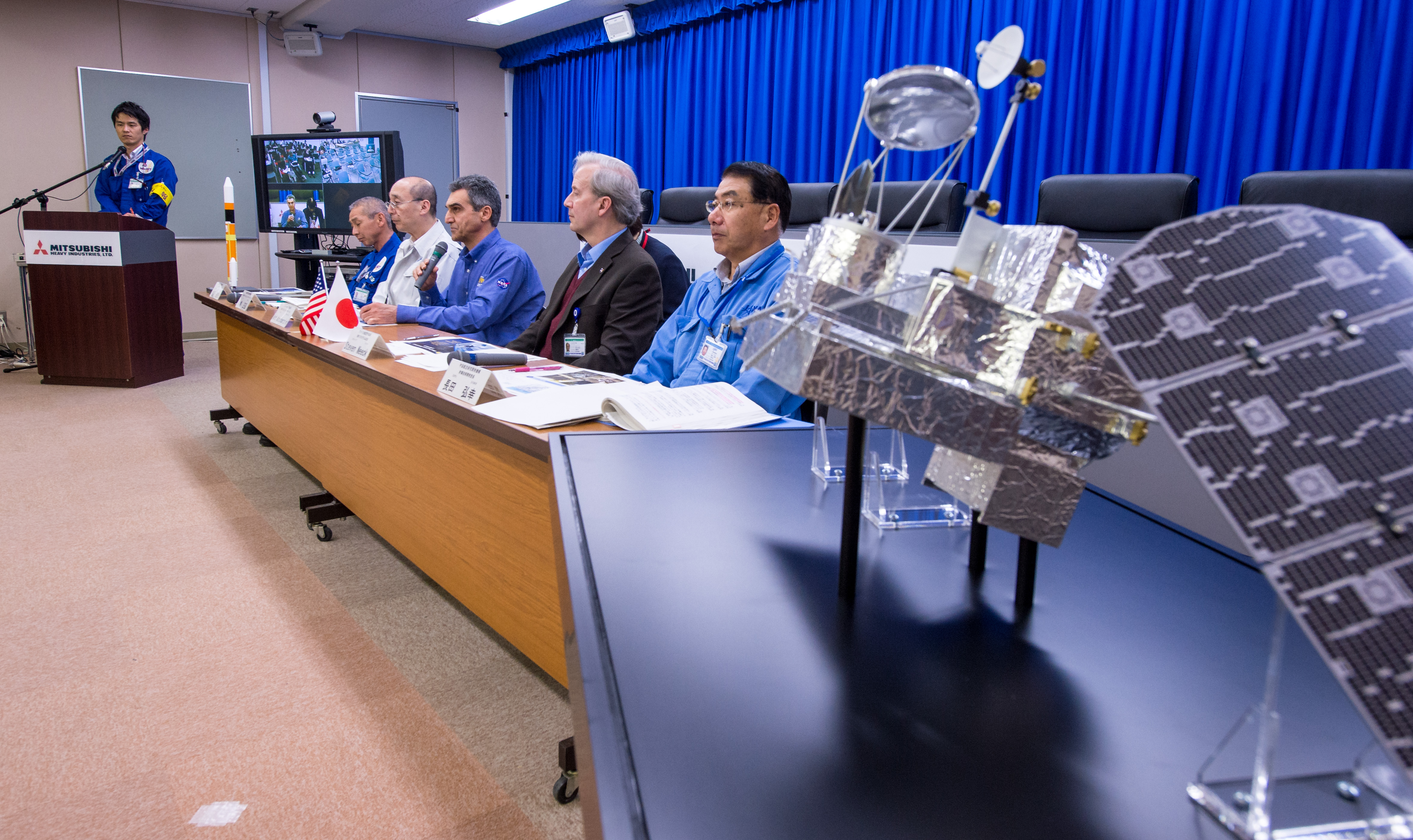
Seated from left: Tatsuo Namikawa, Director, Mitsubishi Launch Site Service Team (MILSET), Mitsubishi Heavy Industries, Ltd., Masahiro Kojima, GPM Dual-frequency Precipitation Radar project manager, Japan Aerospace Exploration Agency (JAXA), Art Azarbarzin, NASA Global Precipitation Measurement (GPM) project manager, Steven Neeck, NASA Deputy Associate Director, Flight Programs, Earth Science Division, and, Hiroyuki Nagata, Director Range Technology Development Office Space Transportation Mission Directorate, Japan Aerospace Exploration Agency (JAXA) are seen during a technical briefing for

GPM's Last Stop Before Orbit

Submitted by JacobAdmin on
Video Embed

Art Azarbarzin, NASA's Global Precipitation Measurement mission project manager, and Mashahiro Kojima, the Japan Aerospace Exploration Agency's GPM/DPR project manager, reflect on the long journey the GPM Core Observatory spacecraft has taken to reach its last stop before orbit, the Tanegashima Space Center, Japan, from where the mission's Core Observatory is scheduled to launch on the afternoon of Feb. 27, 2014 (EST).

GPM Confirmed for Launch

The GPM Core Observatory has received a green light for launch! On the morning of Feb. 26 (Japan time) at Tanegashima Space Center, chief officers from Mitsubishi Heavy Industries, Ltd., the Japan Aerospace Exploration Agency (JAXA) and NASA reviewed the readiness of the Global Precipitation Measurement (GPM) Core Observatory for launch on an H-IIA rocket on Feb. 28 (Japan time). All launch vehicle and launch facility actions relevant to the GPM launch were reported complete. The review panel gave the approval to proceed with launch. The GPM launch site at Tanegashima Space Center Image Credit

GPM Launch Site at Tanegashima Space Center

GPM Launch Site at Tanegashima Space Center
Image Caption
GPM Launch Site at Tanegashima Space Center

Launch pad 1 is seen at the Tanegashima Space Center (TNSC) on Monday, Feb. 24, 2014 in Tanegashima, Japan. A Japanese H-IIA rocket carrying the NASA-Japan Aerospace Exploration Agency (JAXA), Global Precipitation Measurement (GPM) Core Observatory is planned for launch from pad 1 on Feb. 28, 2014. Once launched, the GPM spacecraft will collect information that unifies data from an international network of existing and future satellites to map global rainfall and snowfall every three hours. Photo Credit: (NASA/Bill Ingalls)
Pyrotechnics and Fueling for HII-A Rocket

On Tuesday, Feb. 25 (Japan time) at the Tanegashima Space Center, Japan, pyrotechnics were connected on the H-IIA launch vehicle that will carry the NASA-JAXA Global Precipitation Measurement (GPM) Core Observatory into space. In addition, the attitude control system that will control the second stage of the launch vehicle was fueled. Live launch coverage from NASA's Goddard Space Flight Center in Greenbelt, Md., begins on NASA Television at 12noon EST on Thursday, Feb. 27. Watch online at: http://www.nasa.gov/nasatv