
GPM

Content which is affiliated solely with the Global Precipitation Measurement Mission.

GPM Completes Spacecraft Alignments
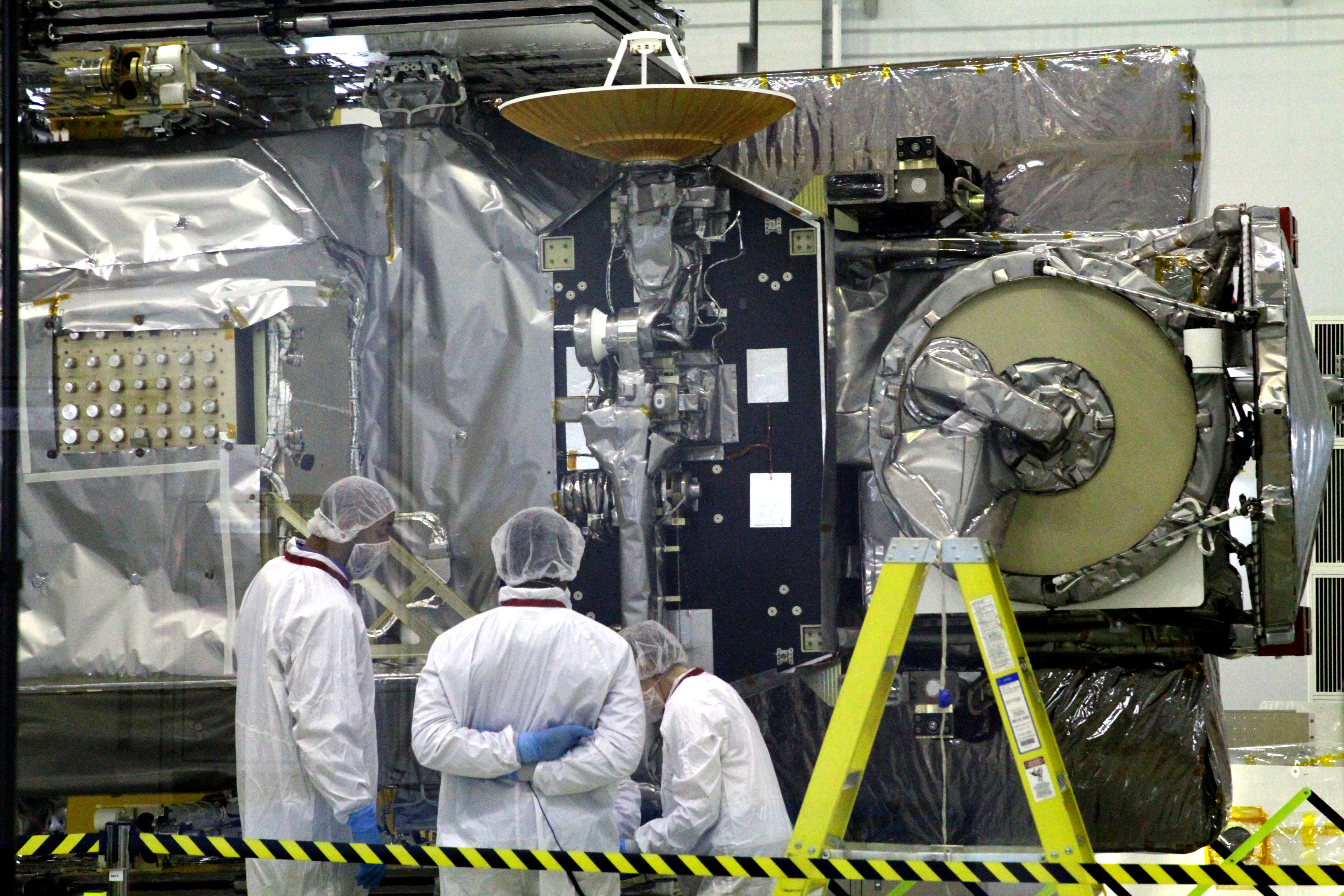
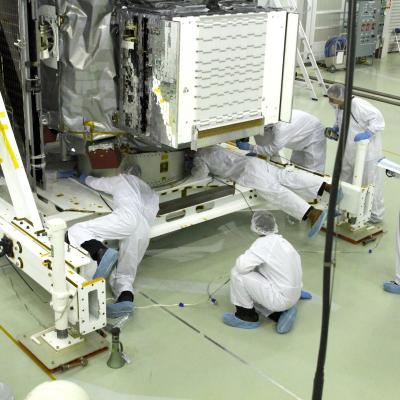
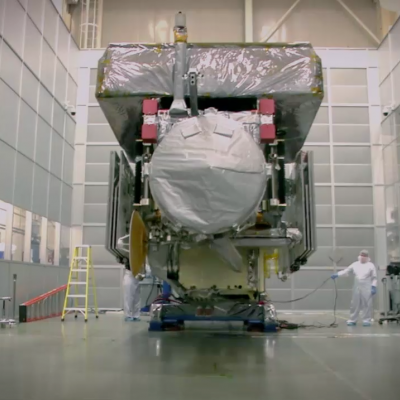
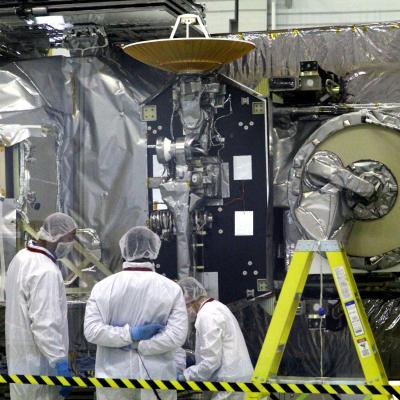
After a holiday break, final tests for the GPM Core Observatory resumed on Dec. 30, 2013, with alignment measurements. The spacecraft's instruments and components, such as star trackers and thrusters, are attached to the main body in specific configurations. Spacecraft alignment measurement is analogous to alignment for the wheels of a car. The Core Observatory measurements ensure that no parts have shifted during its transportation from the United States to Japan, so they will work as expected. The GPM Core Observatory in the clean room at Tanegashima Space Center, Japan Image Credit: NASA /...
NASA Hosts Prelaunch Media Events for GPM
NASA will hold a series of media events Monday, Jan. 27, in advance of the February launch of the Global Precipitation Measurement (GPM) Core Observatory from Japan. The events will be held at NASA’s Goddard Space Flight Center in Greenbelt, Md. GPM is an international satellite mission led by NASA and the Japan Aerospace Exploration Agency (JAXA) that will provide next-generation observations of rain and snow worldwide. GPM data also will contribute to climate research and the forecasting of extreme weather events such as floods and hurricanes. The GPM Core Observatory is scheduled to lift...

NASA & JAXA Announce Launch Date for GPM

Environmental research and weather forecasting are about to get a significant technology boost as NASA and the Japan Aerospace Exploration Agency (JAXA) prepare to launch a new satellite in February. NASA and JAXA selected 1:07 p.m. to 3:07 p.m. EST Thursday, Feb. 27 (3:07 a.m. to 5:07 a.m. JST Friday, Feb. 28) as the launch date and launch window for a Japanese H-IIA rocket carrying the Global Precipitation Measurement (GPM) Core Observatory satellite from JAXA's Tanegashima Space Center. GPM is an international satellite mission that will provide advanced observations of rain and snowfall
Engineering the GPM Core Observatory
For the past three years, the Global Precipitation Measurement (GPM) Core Observatory has gone from components and assembly drawings to a fully functioning satellite at NASA's Goddard Space Flight Center in Greenbelt, Md. The satellite has now arrived in Japan, where it will lift off in early 2014. The journey to the launch pad has been a long and painstaking process. It began with the most basic assembly of the satellite's frame and electrical system, continued through the integration of its two science instruments, and has now culminated in the completion of a dizzying array of environmental...

Faces of GPM: Engineers

Submitted by JacobAdmin on
Video Embed

An interview with Beth Weinstein, a GPM integration and test (I & T) engineer, Lisa Bartusek, GPM Deputy Mission Systems Engineer, and Carlton Peters, associate branch head at NASA Goddard Space Flight Center and the GPM thermal branch development lead.

Faces of GPM: Dr. Dalia Kirschbaum, GPM Applications Scientist

Submitted by JacobAdmin on
Video Embed

Dr. Kirschbaum discusses her role with GPM, how she became a scientist, and how remotely sensed satellite data can be used to study and evaluate natural hazards such as landslides.

This video is the first in a series called "Faces of GPM", which will interview several GPM team members to learn what it is like to be a NASA scientist or engineer.


Video Text:

Faces of GPM: Professor Steve Nesbitt, GPM Ground Validation Scientist

Submitted by JacobAdmin on
Video Embed

Profile of Steve Nesbitt, a professor of Atmospheric Sciences at the University of Illinois and a mission scientist on GPM ground validation field campaigns. Nesbitt uses the data collected to improve the representation of cloud microphysical processes using radars, aircraft probes, and surface instrumentation in satellite precipitation algorithms to improve global precipitation estimates.

Learn more about Faces of GPM

Video Text: 

NASA and JAXA Announce Launch Date for GPM
Environmental research and weather forecasting are about to get a significant technology boost as NASA and the Japan Aerospace Exploration Agency (JAXA) prepare to launch a new satellite in February. NASA and JAXA selected 1:07 p.m. to 3:07 p.m. EST Thursday, Feb. 27 (3:07 a.m. to 5:07 a.m. JST Friday, Feb. 28) as the launch date and launch window for a Japanese H-IIA rocket carrying the Global Precipitation Measurement (GPM) Core Observatory satellite from JAXA's Tanegashima Space Center. GPM is an international satellite mission that will provide advanced observations of rain and snowfall...