
GPM

Content which is affiliated solely with the Global Precipitation Measurement Mission.

GPM Solar Array Deployment Test

Submitted by JacobAdmin on

(ambient audio only)

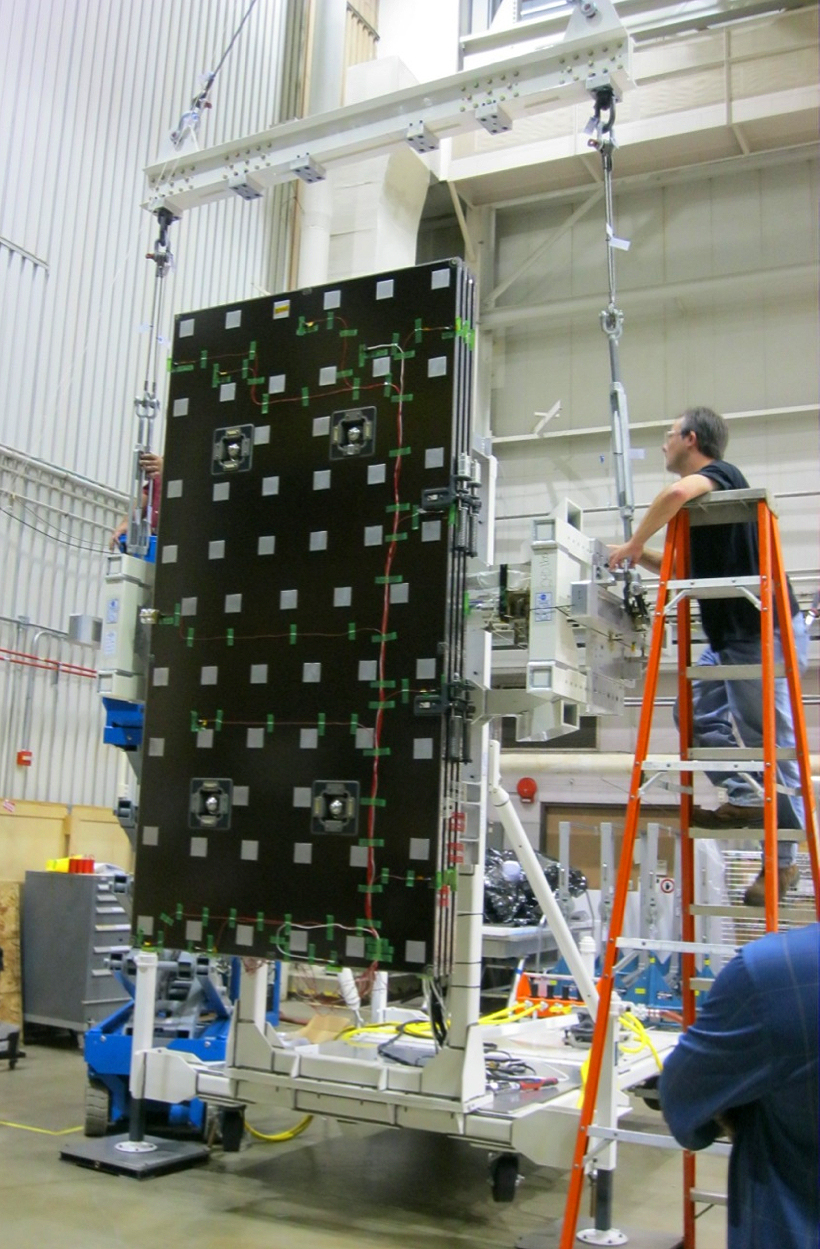
This and other similar tests will verify the deployment function of the GPM Core Observatory solar arrays in ambient condition. Data such as deployment time, hinge forces, and system stiffness will be gathered and reviewed for requirement compliance. The qualification unit was assembled with flight and non-flight components. The flight components will be removed and integrated with the flight unit after qualification testing.  
University of Maryland hosts the 2nd NOAA User Workshop on GPM

A three day meeting, co-sponsored by NESDIS/STAR and NWS/OHD, is being held at the Earth System Science Interdisciplinary Center (ESSIC) at the University of Maryland from November 29th through December 1st. This meeting follows up on the highly successful first workshop from August 2010 and focuses on user applications of GPM-era data and products. The meeting attendees, including government researchers, academics, and representatives from commercial industry, will hear presentations from NOAA and NASA representatives as well as other end users. The meeting is organized around the five high

Scientists Gather in Denver for the 2011 PMM Science Team Meeting

Over 150 scientists from 10 different countries are meeting in Denver, Colorado, to discuss rain and snow and how to measure them from space. Only once a year members of the Precipitation Measurement Missions (PMM) Science Team come together to discuss the science surrounding both the current Tropical Rainfall Measuring Mission (TRMM) and the upcoming Global Precipitation Measurement (GPM) mission that will launch in 2014. The four-day meeting opened on Monday, November 7th with a focus on the mission status for both TRMM and GPM, and continues with breakout sessions, scientific presentations
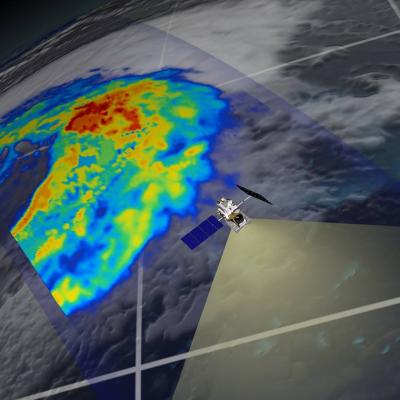
GPM flying over Earth with a data swath visualized.
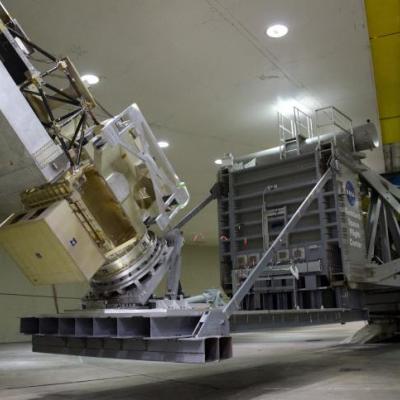
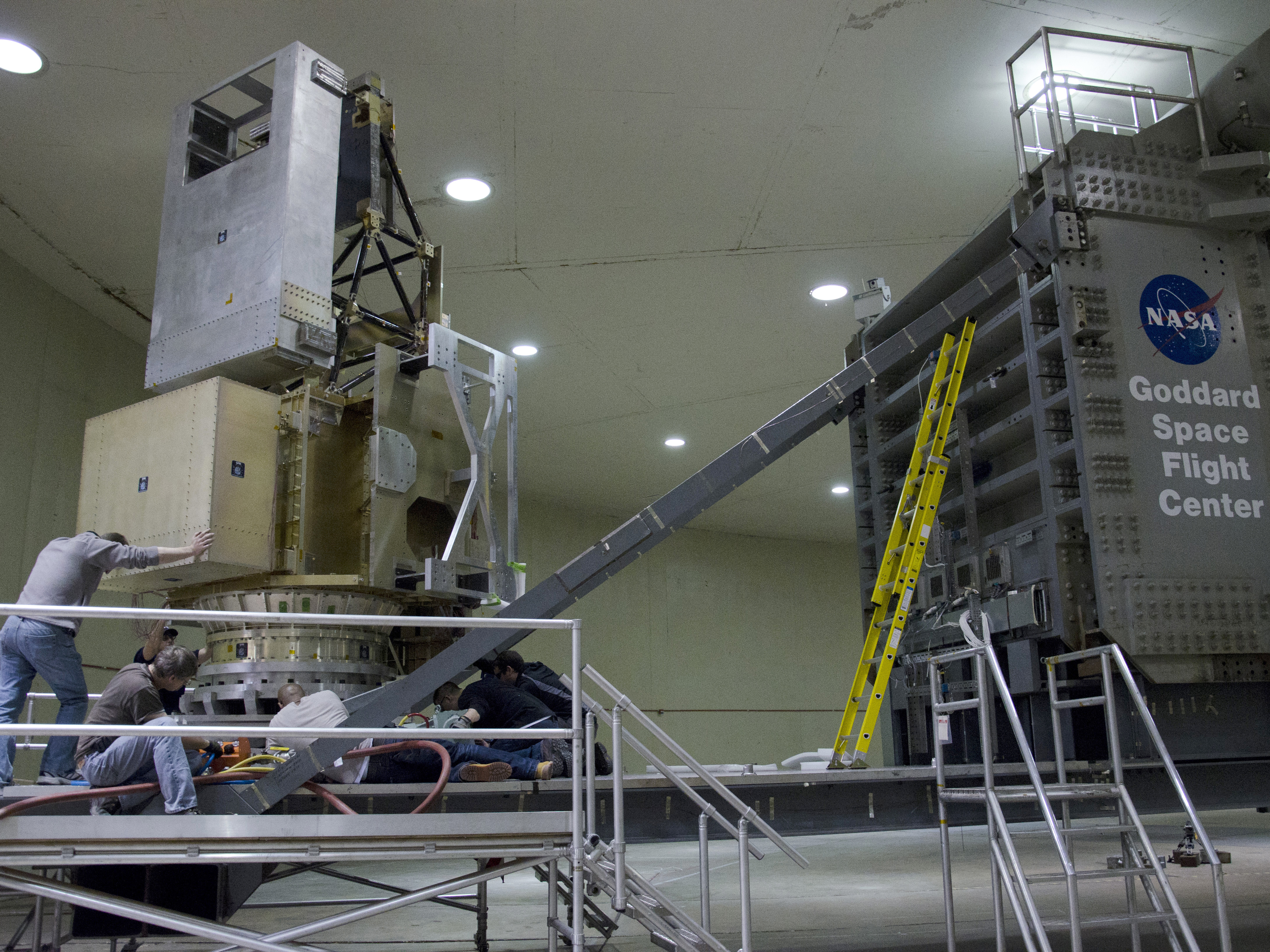
NASA technicians spun the GPM satellite up to just over 10 RPM in Goddard Space Flight Center’s High-Capacity Centrifuge facility March 31 2011. Put Some Spin On It If you've ever taken a fast curve in a car, you've felt your body pushed outward, away from the curve. That outward push is centrifugal force, and the faster you turn, the more it pushes you away from the center. Spinning on the centrifuge does the same thing to the satellite -- except the centrifugal forces are a lot bigger -- capable of going up to 30 times the force of gravity, or "g's." GPM's test went up to seven g's. But...
GPM on the High Capacity Centrifuge
In the clean room at NASA Goddard Space Flight Center in Greenbelt Md., the Global Precipitation Measurement (GPM) mission's Core satellite is steadily taking shape. Set to measure rainfall worldwide after launch in 2014, GPM's two solar panels are the latest components currently undergoing rigorous testing before being integrated with the spacecraft, a process that began seven months ago when the main structural elements went on an unusual ride. GPM moves from the clean room to the test chamber on a dolly without wheels. Compressed air is pumped out under airpads that float the Spacecraft on...

Testing GPM on the High Capacity Centrifuge

Submitted by JacobAdmin on

(ambient audio only)

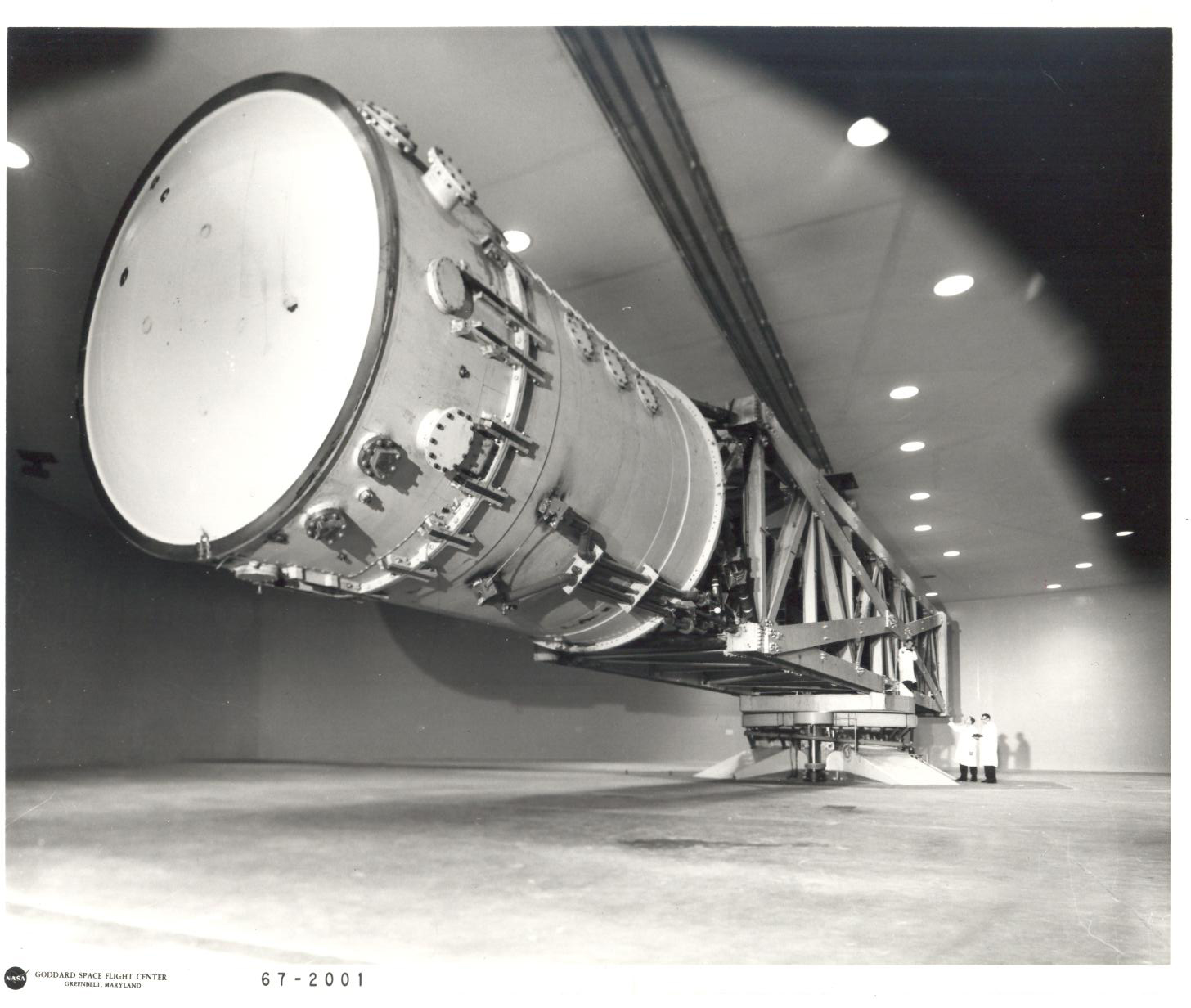
GPM moves from the clean room to the test chamber on a dolly without wheels. Compressed air is pumped out under airpads that float the Spacecraft on a bed of air. The wind generated when the centrifuge moves at its maximum speed are more than 200 mph - that's tornado speed. But since they move with the centrifuge the satellites tested only feel 20 mph winds. Leaning outward at 45 degrees for one test orientation, GPM comes within 28 inches of the wall. When lifted onto the platform it cleared the ceiling by only five inches.

GPM's Solar Array Wings in Testing

(ambient audio only) This and other similar tests will verify the deployment function of the GPM Core Observatory solar arrays in ambient condition. Data such as deployment time, hinge forces, and system stiffness will be gathered and reviewed for requirement compliance. The qualification unit was assembled with flight and non-flight components. The flight components will be removed and integrated with the flight unit after qualification testing. GPM's two solar array wings that extend to the right (+Y) and left (-Y) of the spacecraft are currently undergoing assembly and testing at Goddard