
GPM

Content which is affiliated solely with the Global Precipitation Measurement Mission.

GPM and Cloudsat Researchers Meet in Helsinki to Discuss LPVEx Data

GPM and CloudSat ground validation researchers are currently meeting at the University of Helsinki to discuss strategies for analyzing airborne and ground-based datasets from the Light Precipitation Validation Experiment (LPVEx) field campaign. This data analysis will help improve satellite-based precipitation retrievals in high latitude light rain and snowfall events. Dr. Ari-Matte Hari, Director of the Radar and Space Technology Group, FMI, welcomes the group to the University of Helsinki and FMI. Learn more about the LPVEx field campaign

Combined Algorithm Developers Meet to Discuss Testing

A beta-version of the GPM Combined Algorithm code was released this week for the purpose of internal testing by team members. The GPM Combined Algorithm is developed to integrate sensor information from the two instruments onboard the GPM Core Observatory: the Dual-frequency Precipitation Radar (DPR) and the GPM Microwave Imager (GMI). The sophisticated software program combines raw data from each of the instruments to provide more comprehensive estimates of precipitation rate, water content profile, and drop distribution; that is, the software is important for translating what the instruments

High Gain Antenna System (HGAS) Completes Deployment Testing

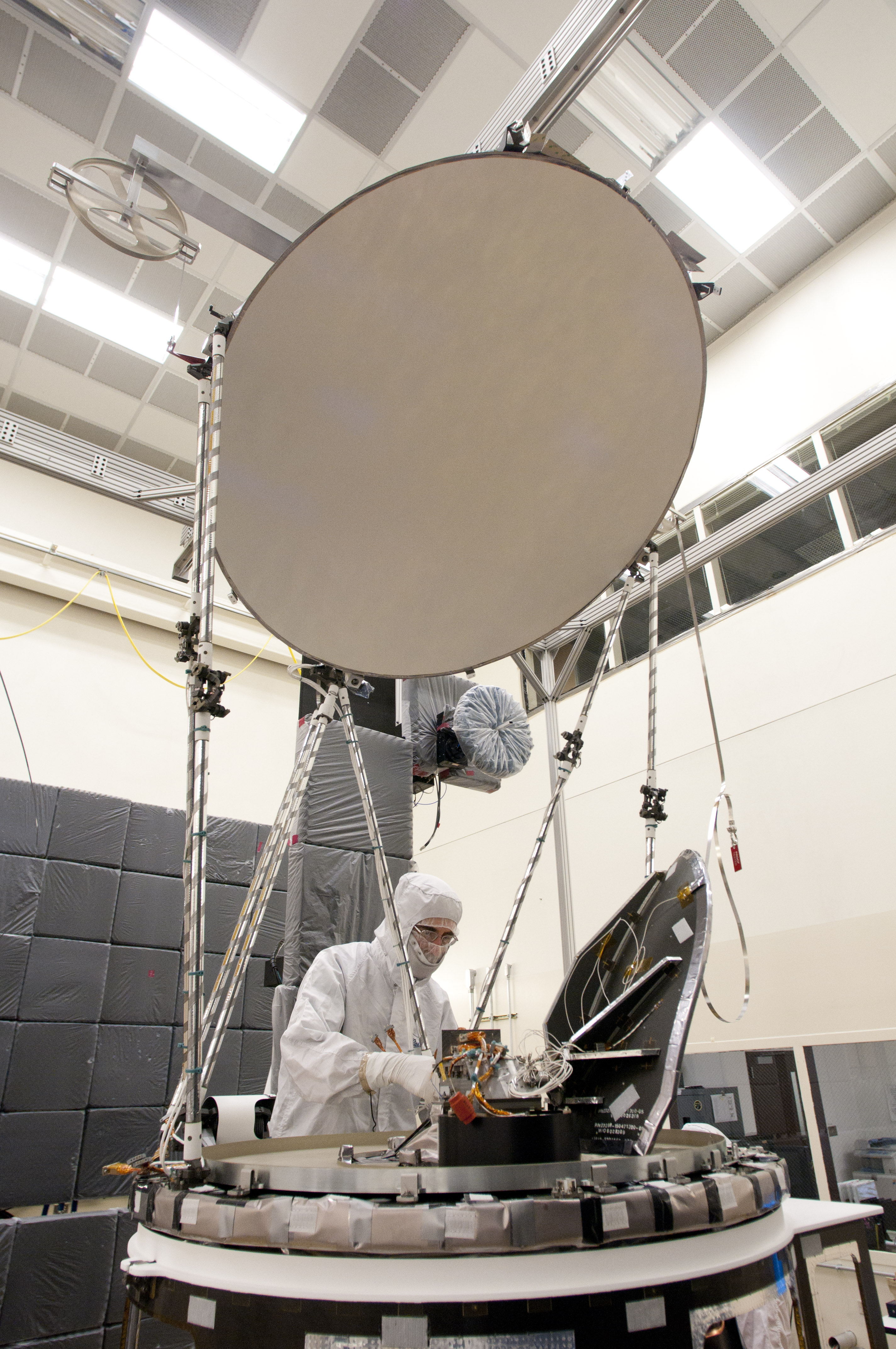
The High Gain Antenna System (HGAS) onboard the GPM Core Observatory finished acoustics and post-environmental deployment testing at NASA Goddard Space Flight Center. The HGAS will then undergo Thermal Vacuum testing before it is completed and delivered in mid-September. The below video shows a test of the High Gain Antenna System as it will deploy once in orbit aboard the GPM Core Observatory. Learn more about the HGAS and the GPM Core Observatory

GMI Completes Pre-Environmental Review

The GPM Microwave Imager (GMI) successfully completed Pre-Environmental Review (PER) on July 19-20, 2011, at Ball Aerospace in Colorado, which marks another key milestone for the GMI instrument. The GMI will undergo acoustic testing, vibration testing, and electromagnetic and thermal vacuum testing starting in August 2011. The GMI instrument is a multi-channel, conical-scanning, microwave radiometer, enabling the GPM Core Observatory to serve as a radiometric reference and also a transfer standard for the other GPM constellation members. Learn more about the GMI

GPM Core Observatory Centrifuge Testing

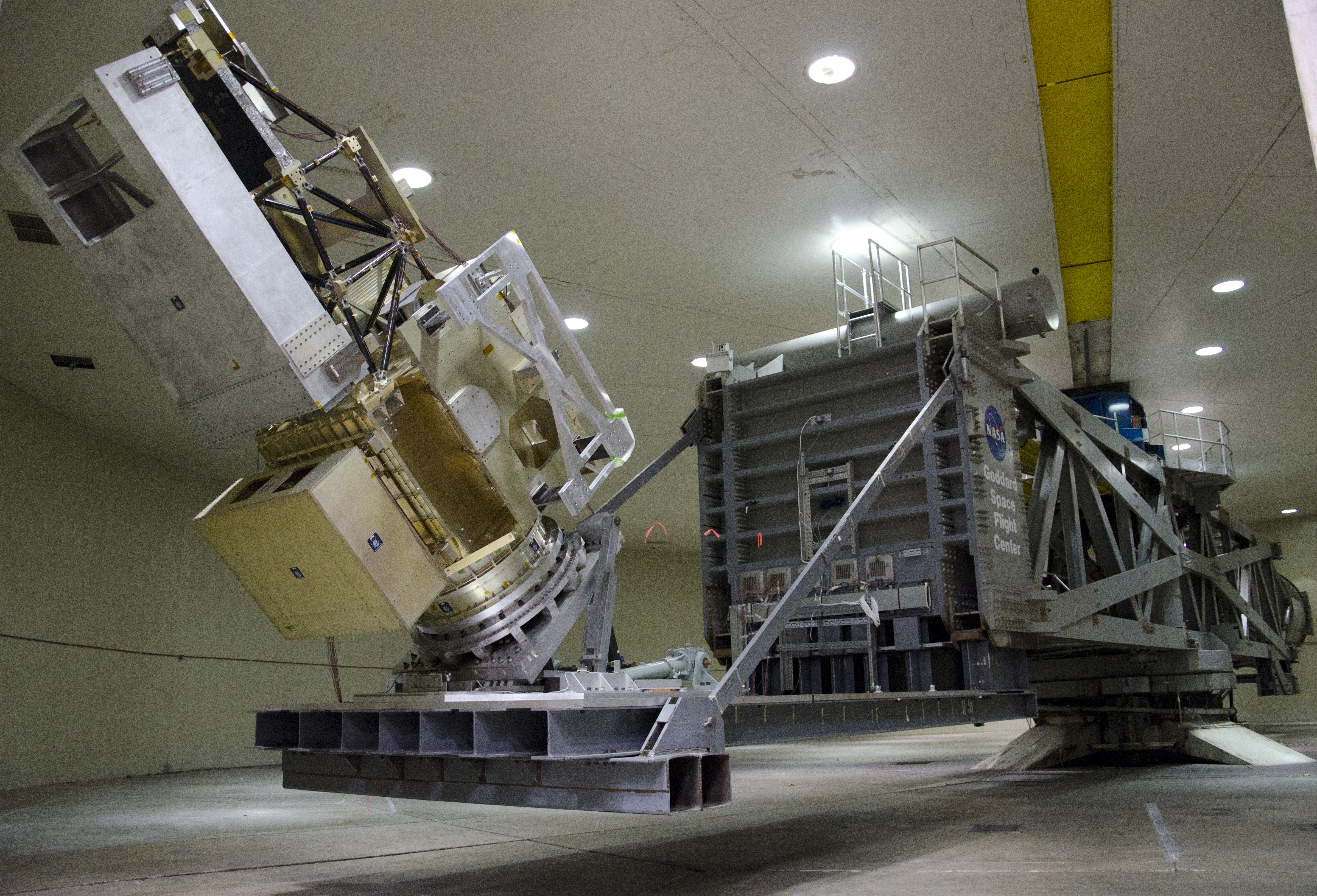
Photograph of the GPM core propulsion system attached to a large centrifuge
Image Caption
The GPM Core Observatory undergoing centrifuge testing at Goddard Space Flight Center.

NASA technicians spun the Global Precipitation Measurement (GPM) satellite up to just over 10 RPM in Goddard Space Flight Center’s High-Capacity Centrifuge facility March 31. At that speed, the spin exerted a lateral pressure of 2.4 G’s, or 2.4 times the force of gravity on the satellite.

Spin tests such as these are used to determine whether the forces of launch could adversely affect hardware we put into space, and to test spacecraft chassis design.