



What is the difference between a typhoon, cyclone, and hurricane?
The terms "hurricane" and "typhoon" are regional names for tropical cyclones. All tropical cyclones are alike in that they draw heat from warm water at the ocean's surface to power horizontal, rotating wind. Although similar in size, tropical cyclones have a different energy source than synoptic cyclones, which are storm systems that draw their energy from weather fronts and jet streams.
Over the Atlantic and East Pacific, tropical cyclones are commonly called "hurricanes." The common term is "typhoon" for a tropical cyclone that forms in the West Pacific. Tropical cyclones are called just "cyclones" in the Indian Ocean and near Australia.
NASA's Global Precipitation Measurement mission gives scientists a detailed view of precipitation within hurricanes and cyclones, helping understand how storms form and intensify.
🛰️ In this interactive 360° video, learn how GPM saw inside 2017's Hurricane Maria.
🔬 Learn how GPM helps understand the science behind storms.
⛈️ Get the latest GPM extreme weather news.
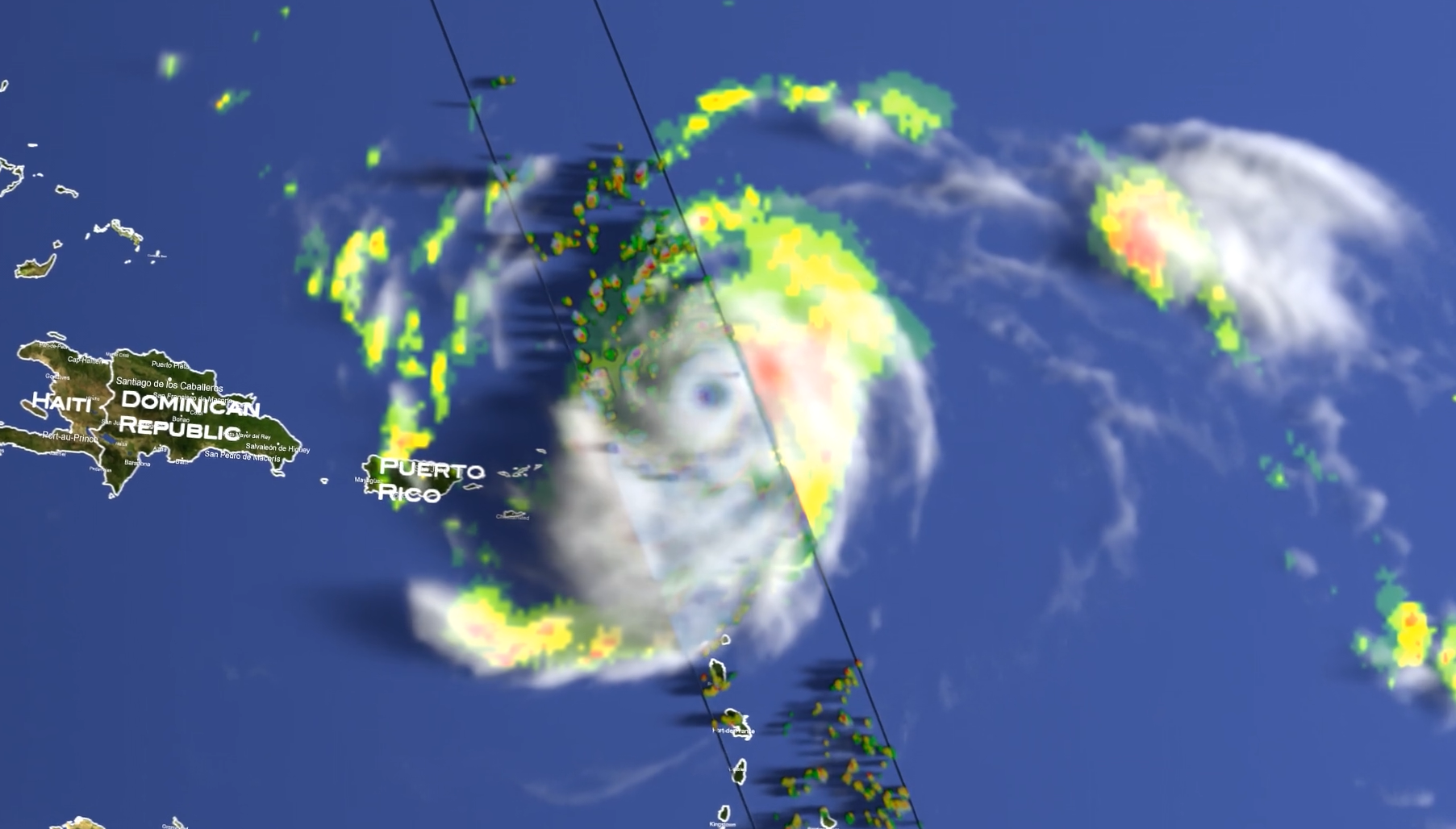
The GPM Core Observatory satellite observed Hurricane Erin in the Caribbean on Aug. 16, 2025 - learn more. Credit: NASA GPM