By Aries Keck, NASA Goddard Space Flight Center Original
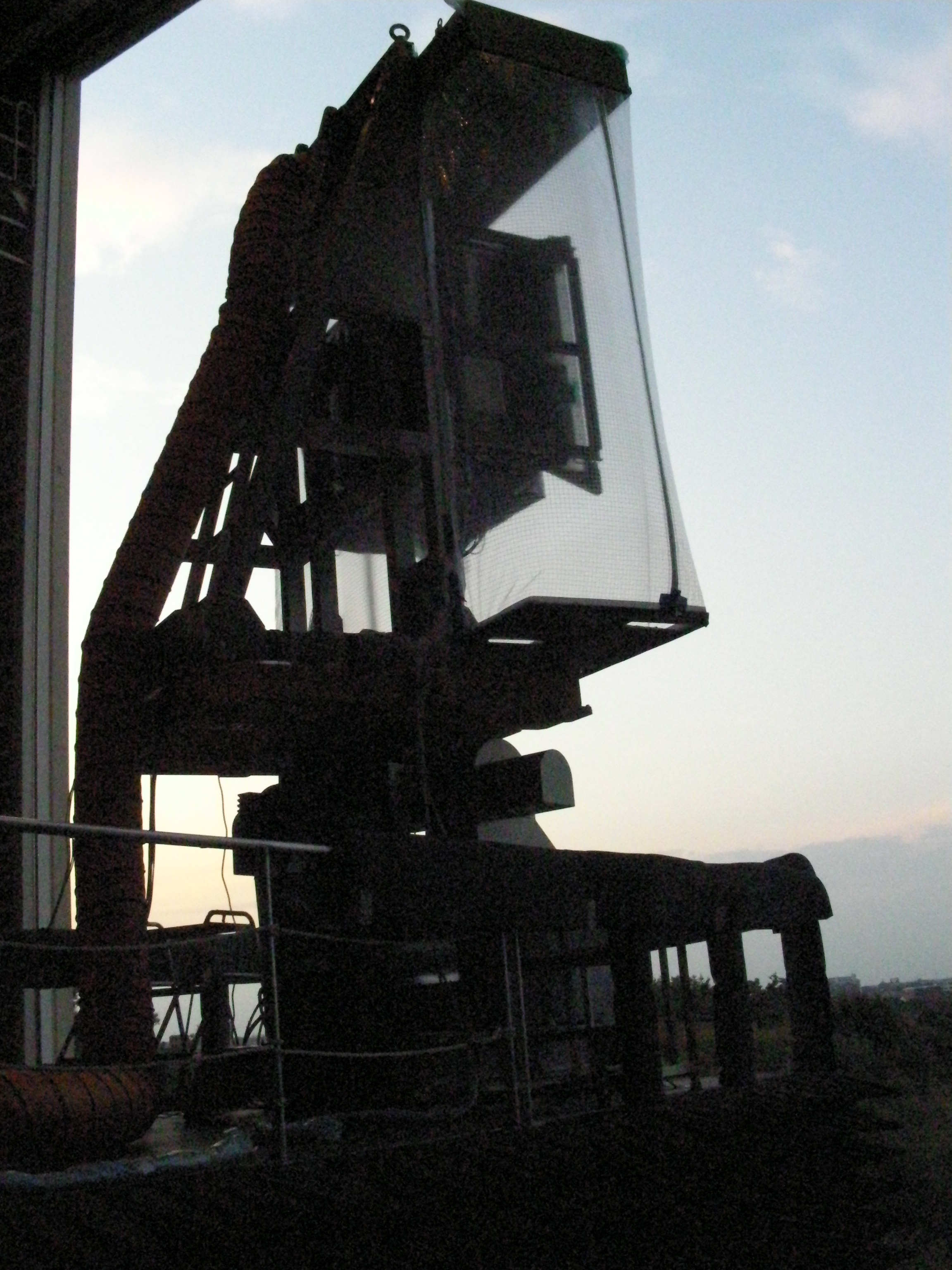
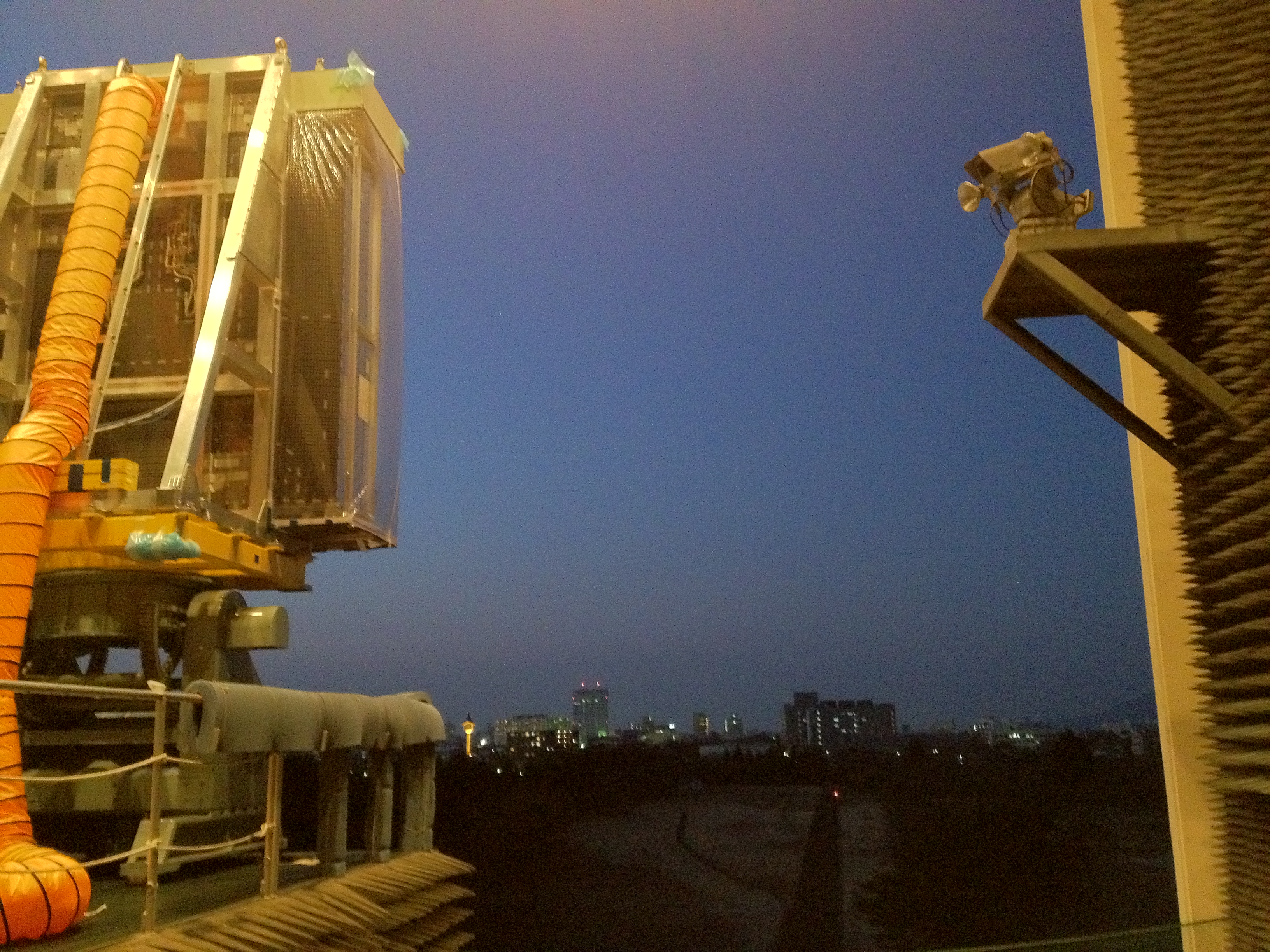
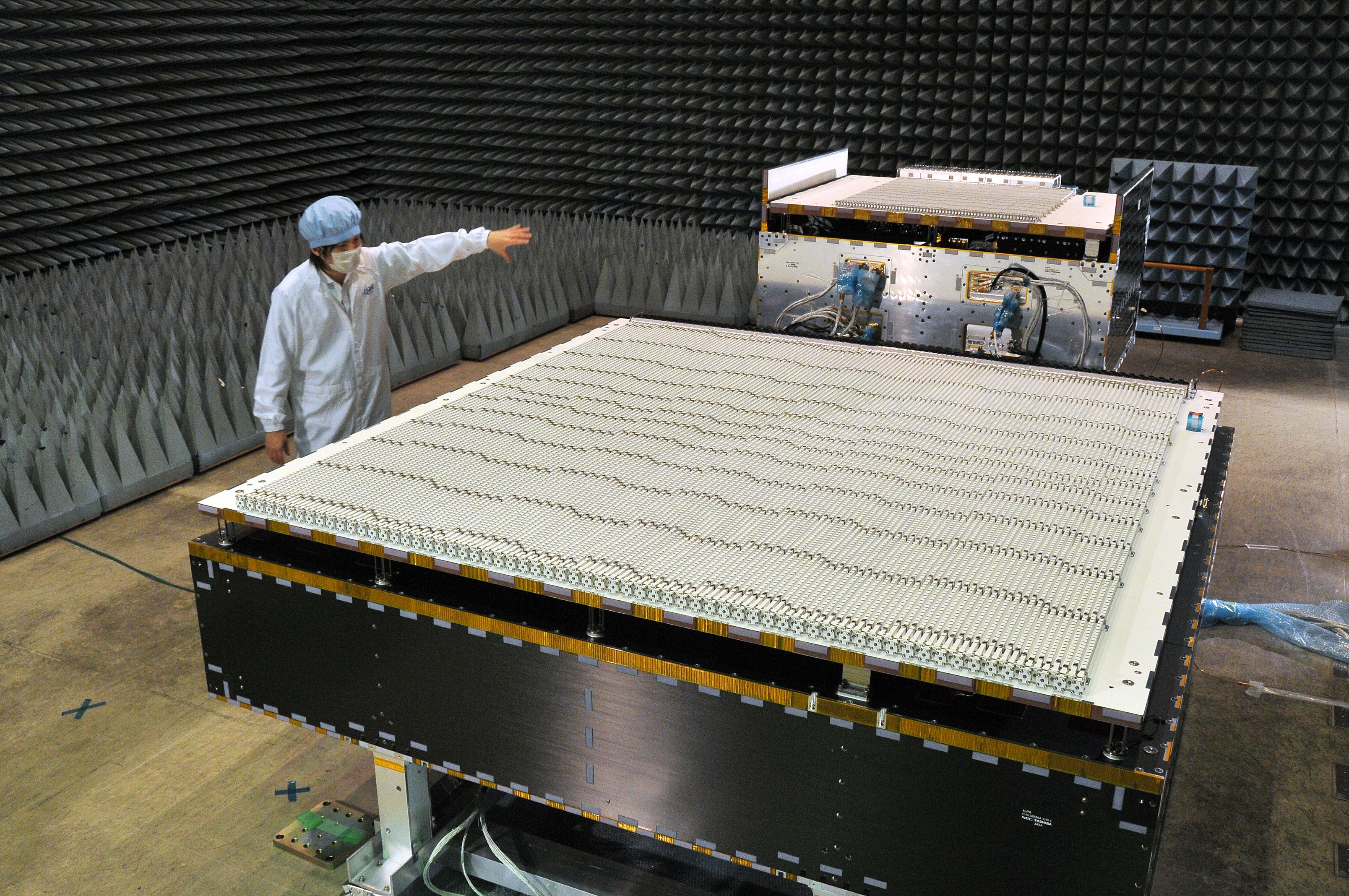
www.nasa.gov Press Release (published 2/8/12) GREENBELT, Md. – Japanese scientists and engineers have completed construction on a new instrument designed to take 3-D measurements of the shapes, sizes and other physical characteristics of both raindrops and snowflakes. The instrument will be shipped from Japan to NASA's Goddard Space Flight Center, Greenbelt, Md., to be integrated into an upcoming NASA Earth science satellite. Designed and built by the Japan Aerospace Exploration Agency (JAXA) and Japan's National Institute of Information