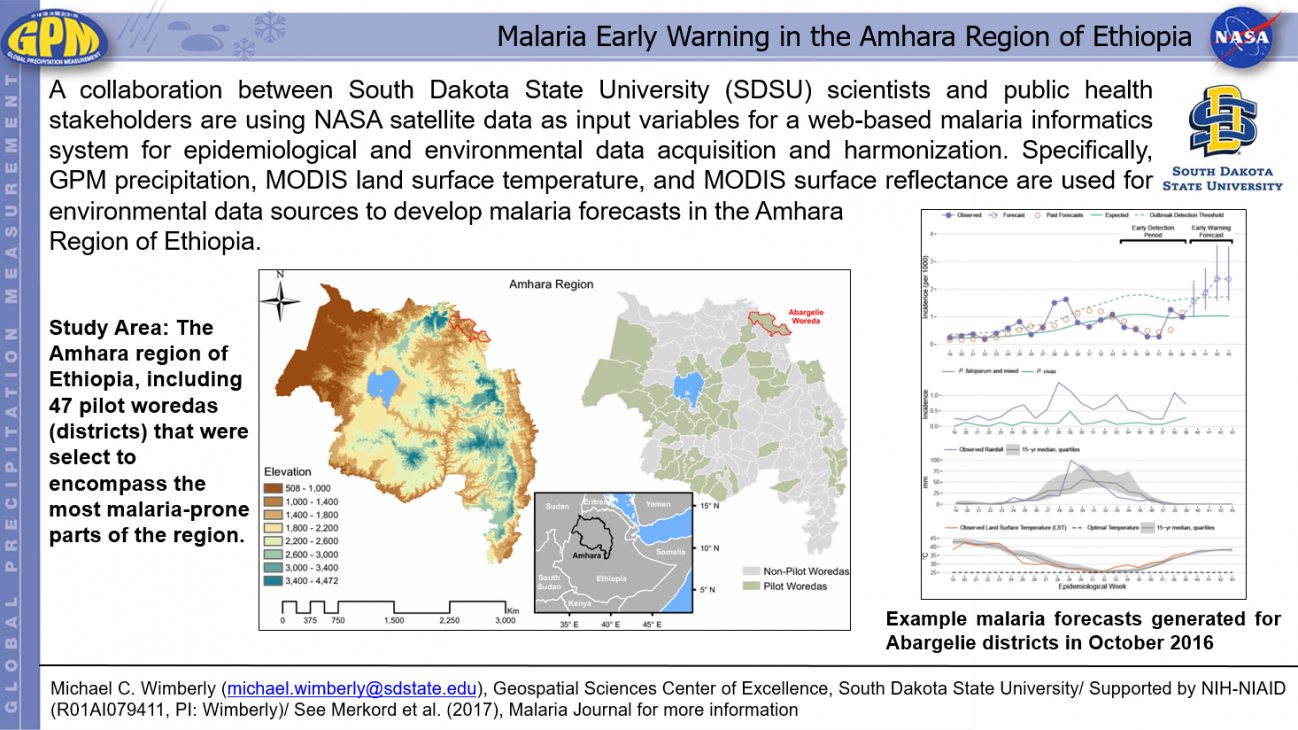
Two Southern Hemisphere Tropical Cyclones

Today the TRMM satellite passed above two tropical cyclones in the southern hemisphere. On January 10,2014 at 0117 UTC TRMM had a good daytime view of intensifying tropical cyclone IAN in the south Pacific Ocean east of Fiji with wind speeds over 90kts (~104 mph). Then at 0724 UTC TRMM passed directly above tropical cyclone Colin in the south Indian Ocean that was also intensifying with wind speeds estimated to be above 35kts (~40 mph). Rainfall derived from TRMM's Precipitation Radar (PR) and Microwave Imager (TMI) data was overlaid on Visible/Infrared images from the Visible and InfraRed

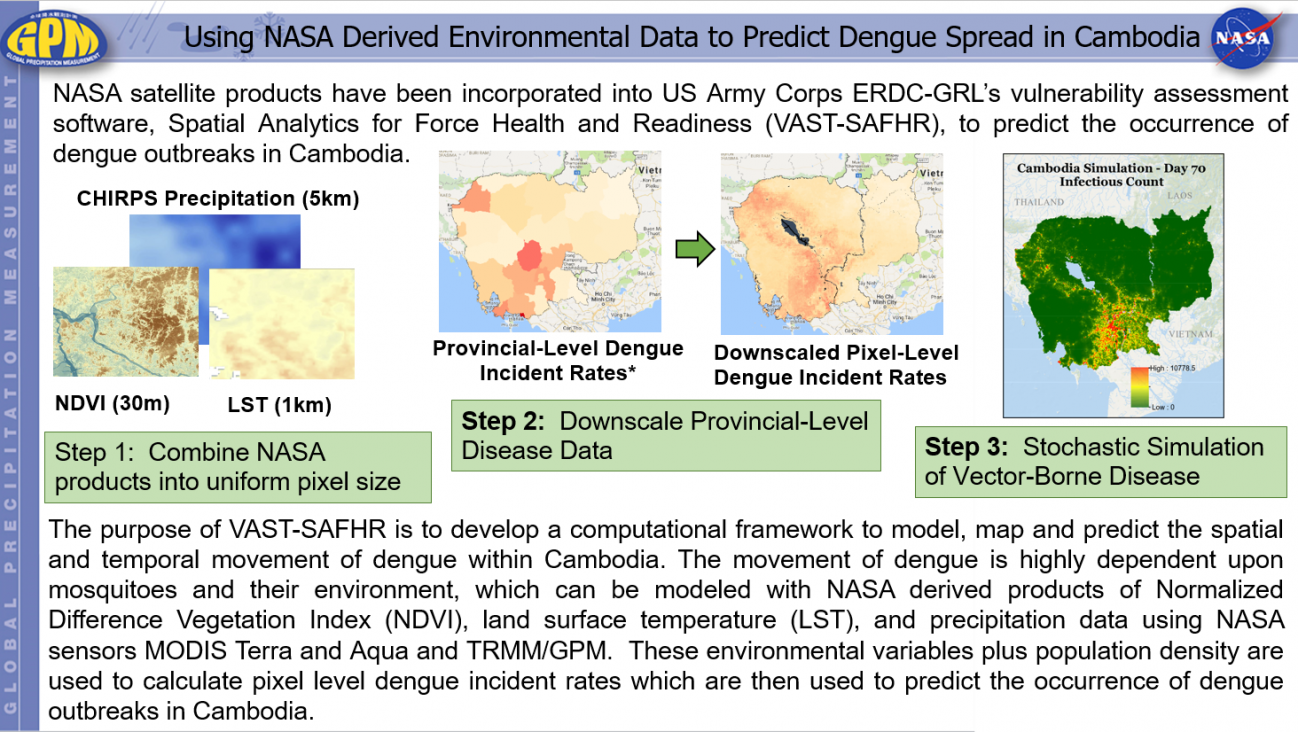
Ian, First 2014 South Pacific Tropical Cyclone

Tropical cyclone IAN became the first tropical cyclone of the 2013-2014 South Pacific season when it formed yesterday north of Tonga. The TRMM satellite passed above IAN this morning at 1133 UTC. IAN is a small tropical cyclone but TRMM's Precipitation Radar (PR) instrument found that IAN was dropping rain at a rate of over 113 mm/hr (~4.4 inches) in some areas. Since it was launched on November 27, 1997 TRMM's Precipitation Radar (PR) has been providing 3-D vertical profiles of rain and snow from the surface up to a height of about 12 miles (20 kilometers). A 3-D view of IAN's vertical

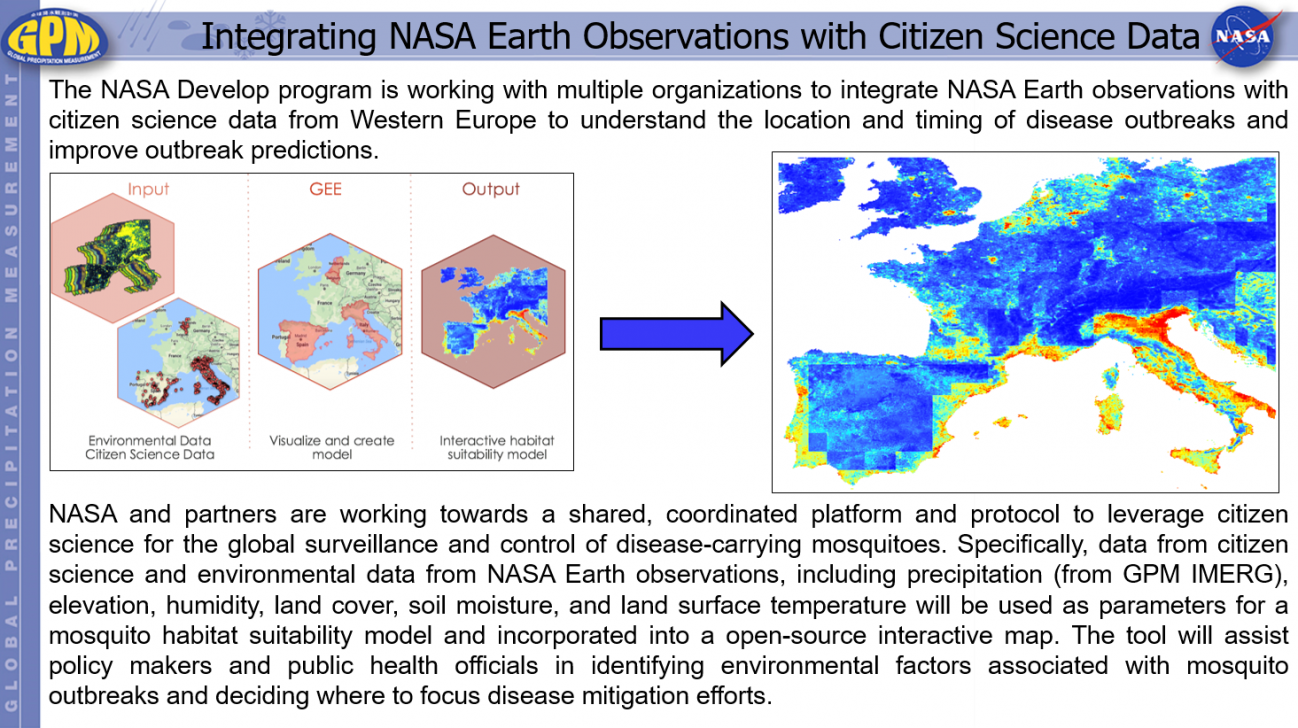
Reunion Island Hit Hard By Tropical Cyclone Bejisa

Bejisa's eye passed very close to the West of the French island of Reunion yesterday when maximum sustained winds were estimated to be 105 kts (~121 mph). Bejisa spawned wave heights of 8 meters (~26 feet), caused several serious injuries and extensive power outages. The TRMM satellite had a daytime view of Bejisa today at 1348 UTC after the tropical cyclone's sustained wind speeds had decreased to less than 60kts (~69 mph). Bejisa's past positions are shown overlaid in red on a rainfall analysis made from TRMM Microwave Imager (TMI) and Precipitation Radar (PR) data collected with this pass

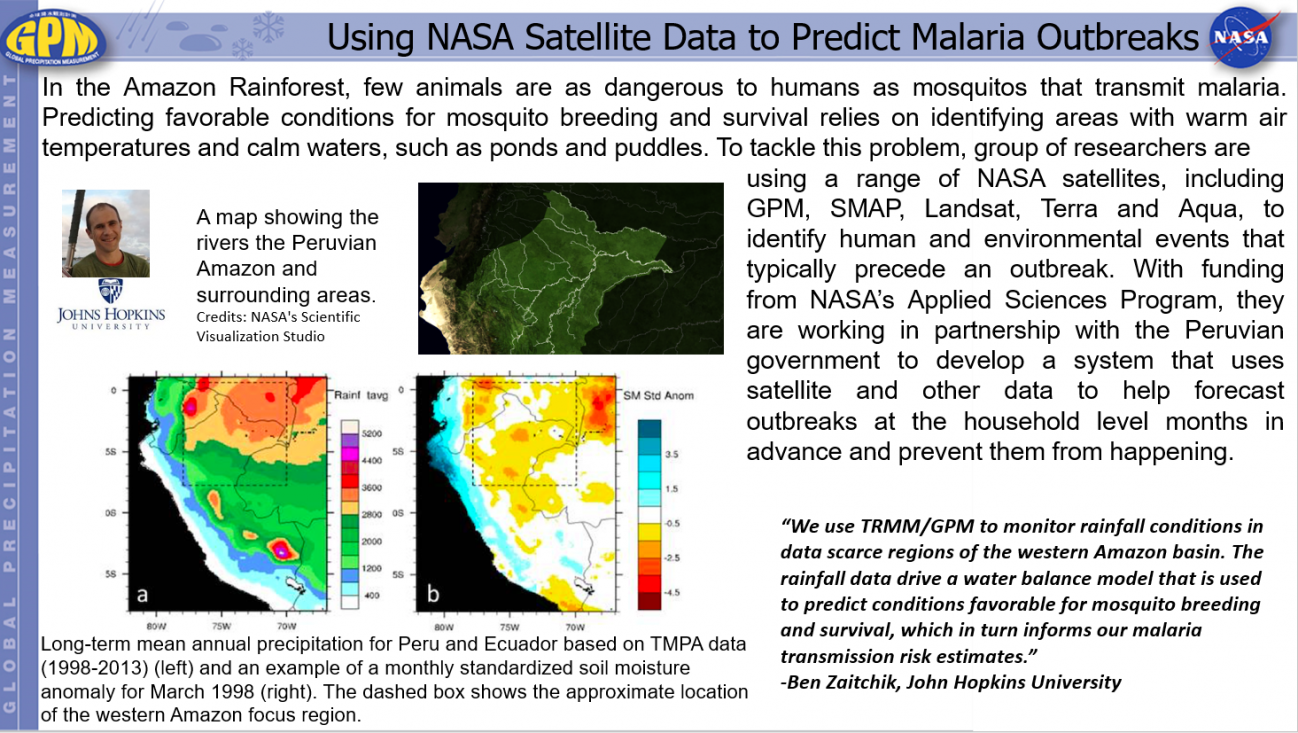
Tropical Cyclone Bejisa Shown Menacing Reunion

Extremely powerful tropical cyclone Bejisa has passed just to the west of the French island of Reunion in the southwest Indian Ocean. Bejisa's forward speed and very powerful winds within the tropical cyclone made this a dangerous location for Reunion. Bejisa was moving toward Reunion when the TRMM satellite had an excellent view on January 1, 2014 at 2212 UTC. Bejisa had sustained winds estimated to be over 105kts (~121 mph) at the time of this pass making it equivalent to a category three hurricane on the Saffir–Simpson hurricane wind scale. A rainfall analysis that used data from TRMM's